Economy · Explainer
Fed Beige Book Finds Costs Outpacing Selling Prices
Eight of 12 districts grew. For investors, the squeeze on profit margins matters as much as the December rate debate.

Kunkafa News · Published · 5 min read
 By Kareem FaridDiscuss with the author on X
Here is a visual story in summary
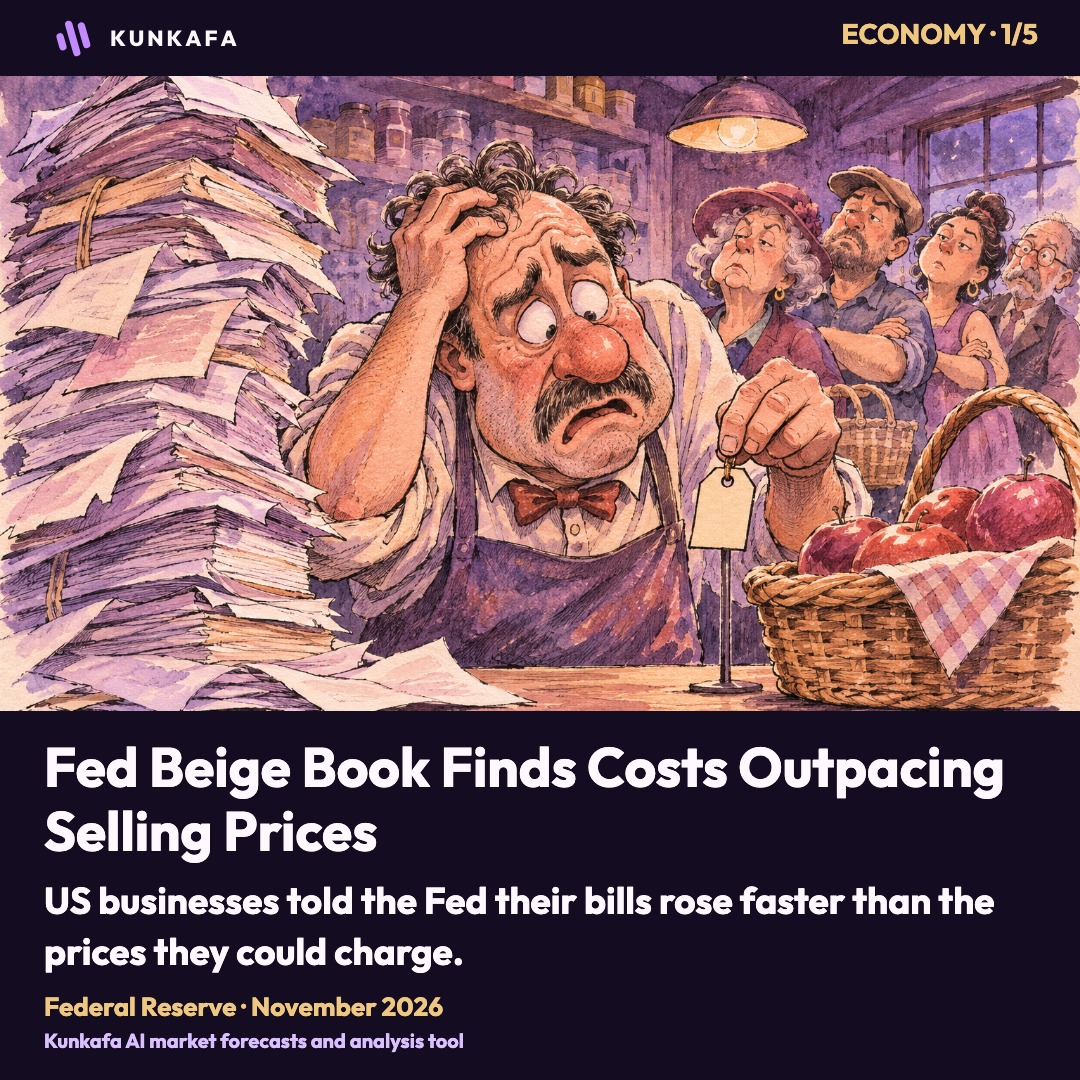
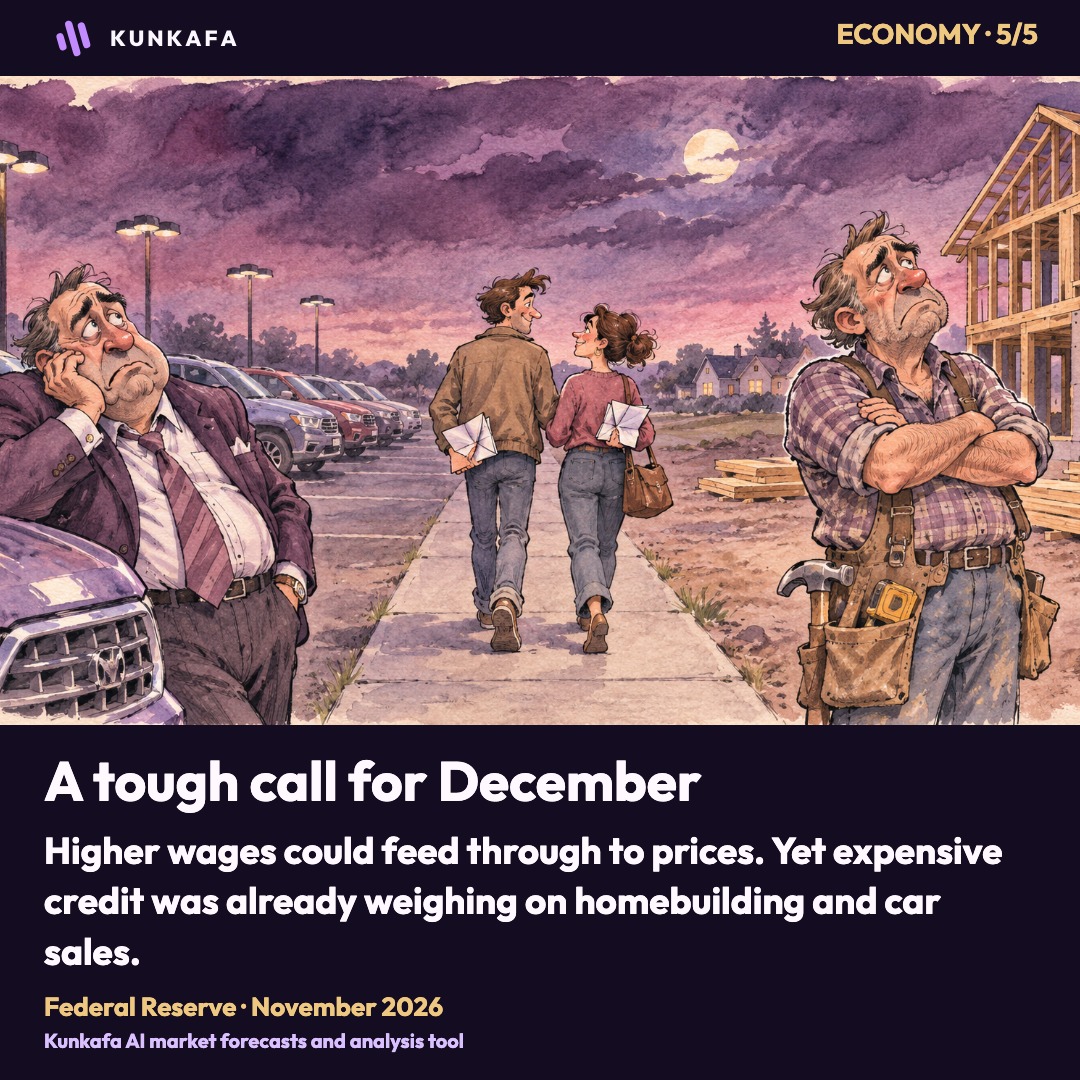
US businesses told the Federal Reserve that their costs generally rose faster than the prices they could charge. Shoppers were choosing more carefully what to buy, leaving companies to absorb part of the bill for energy, freight, insurance and tariffs. [1]
The November 25 Beige Book found growth in eight of the Fed’s 12 districts, down from nine in October. Activity held steady in the other four, and most districts still anticipated some expansion. [1] [2]
The Atlanta Fed gathered the accounts through November 16. They describe what employers, lenders and community groups saw on the ground ahead of the December 8–9 rate meeting. [1] [5]
The Federal Reserve has released its latest Beige Book.
The shopper sets a limit
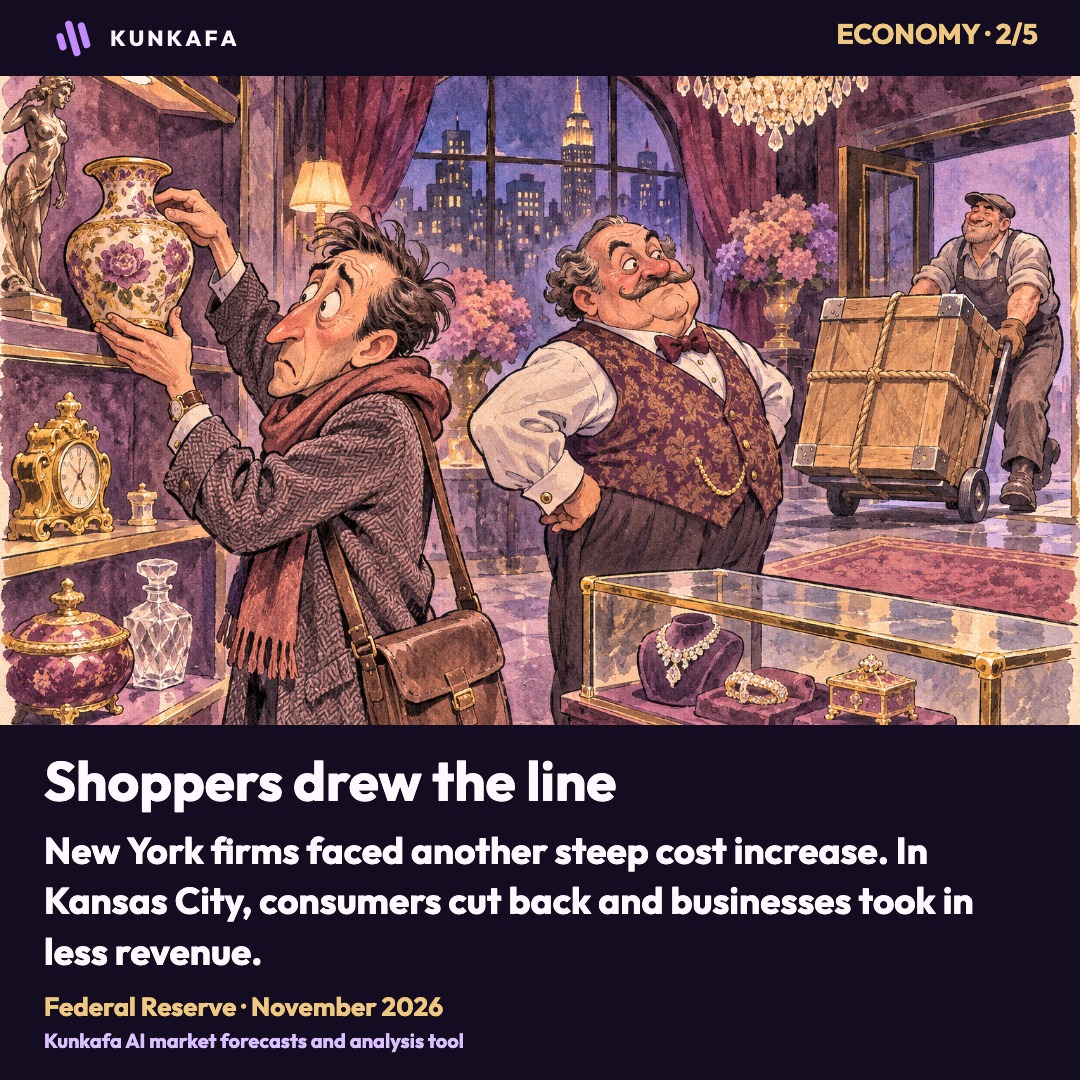
In New York, businesses reported another steep increase in their costs even as the pace of their own price increases eased. In Kansas City, businesses serving consumers took in less revenue as shoppers struggled to afford higher prices. [1]
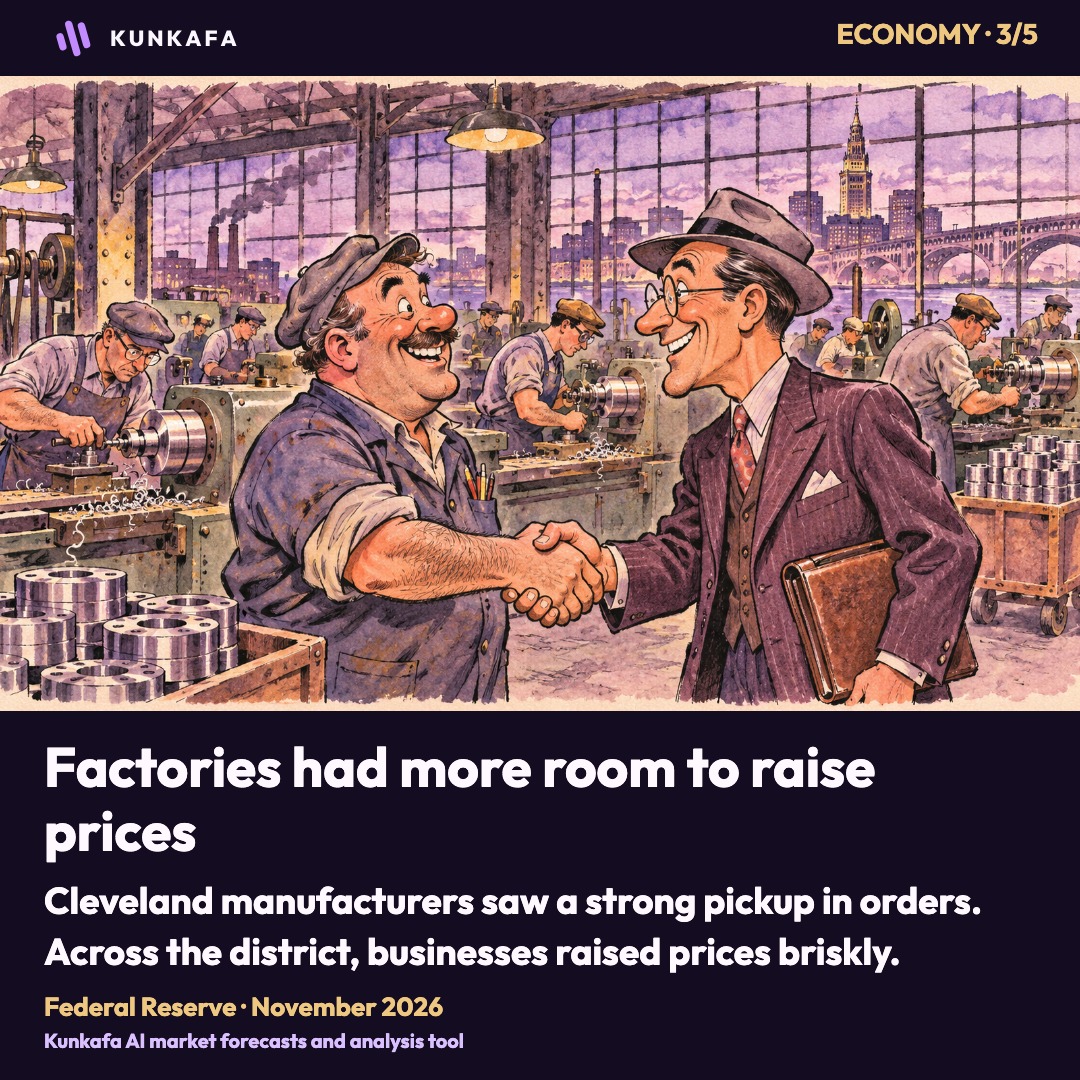
Manufacturers in Cleveland told a different story. Demand picked up strongly and businesses across the district raised selling prices briskly. The survey points to an earnings divide between companies that can pass costs on and those that risk losing customers if they try. [1]
Why December is a difficult call
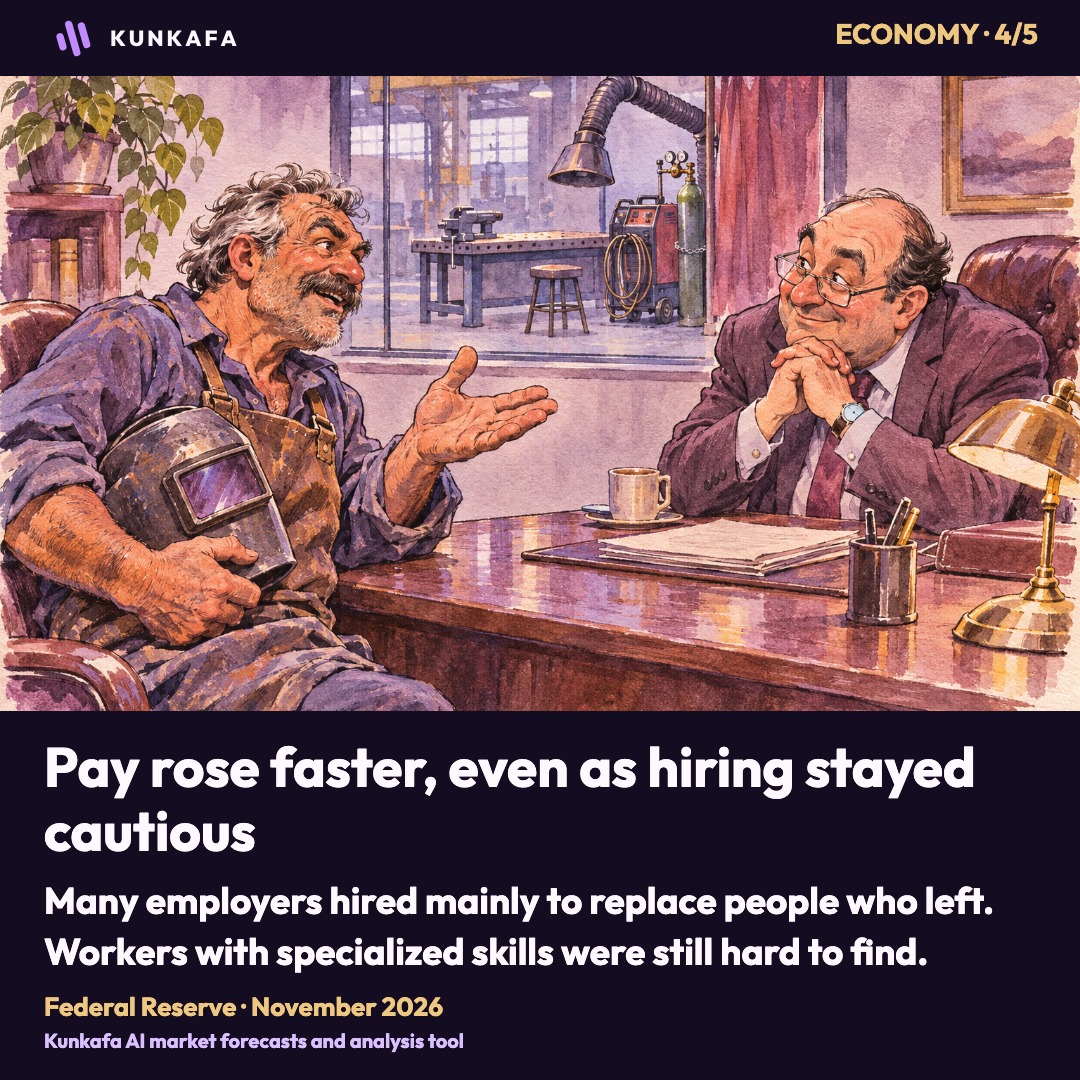
Overall prices rose moderately again, but wages and benefits picked up from a modest to a moderate pace. Many employers were mainly replacing people who left, while businesses still struggled to find workers with specialized skills. [1]
Earlier on Wednesday, the Bureau of Economic Analysis put October inflation at 3.8% over a year, or 3.3% excluding food and energy. It also raised third-quarter real GDP growth to a 4.3% annualized pace. [3] [4]
Faster compensation growth adds weight to the case for a December hike if businesses eventually recover those costs through higher prices. But the Beige Book also describes weaker homebuilding and softer car sales as financing costs bite. A further increase could deepen that slowdown. [1] [5]
A ten-minute bounce after the release
Between 19:00 and 19:10 UTC, the S&P 500 rose from 7,170.85 to 7,192.74, up 0.31%. The Nasdaq Composite gained 0.47%, from 23,492.01 to 23,602.06. Both were still below Tuesday’s close. [6] [7] [8]
The 10-year Treasury yield barely moved over those ten minutes, from 4.838% to 4.840%. Stocks were also digesting the morning’s GDP and inflation releases, making it difficult to isolate the Beige Book’s effect. [6] [7] [8]
Two ways the pressure could reach Wall Street
For bonds, the key is how many increases investors come to expect after December. If businesses keep passing on costs, traders could price in a longer stretch of tight policy, pushing two-year Treasury yields up. If hiring stalls and demand weakens, that pressure could ease.
For stocks, watch what companies say about margins alongside sales. A retailer can report higher dollar sales and still earn less on each sale. Homebuilders and carmakers face a second test if higher borrowing costs push purchases further out.
In direct responses, Zan asked how much tightening a consumer who has stopped spending more can withstand. Itachi Data focused on where price pressure ends up when firms absorb their higher costs.
Earlier on Wednesday, Kevin Gordon pointed out that real spending had slipped even as disposable income rose. Tony Nash contrasted tighter small-business and property lending with continued growth in bank credit.
Perspectives on the cost squeeze facing US businesses


Sources: [1] Fed, November Beige Book · [2] Fed, October Beige Book · [3] BEA, October PCE · [4] BEA, Q3 GDP · [5] Fed meeting calendar · [6] S&P 500 · [7] Nasdaq Composite · [8] 10-year Treasury
Kunkafa forecasts
S&P 500 Index
How far it could move, which way, by when, and how confident Kunkafa is.
Check the latest forecastsMore in Economy

LinkedIn CEO Calls Job Market “Frozen” as Applications Rise
Job seekers send about 30% more applications each than before the pandemic. Dan Shapero says that makes it harder for employers to spot who can do the work.

CIB Pay in Egypt: Five Checks Before You Tap Your Android
Hisham Ezz Al-Arab shared the eligibility rules for CIB Pay in Egypt. The Mastercard in your wallet and the SIM in your phone both matter.

Egypt’s 27 Auto Plants Can Build 300,000 Vehicles a Year
As GM Egypt starts building the Chevrolet Groove with 45% local content, the prime minister puts investment in the country’s auto industry at $5 billion.