Economy
CIB Pay in Egypt: Five Checks Before You Tap Your Android
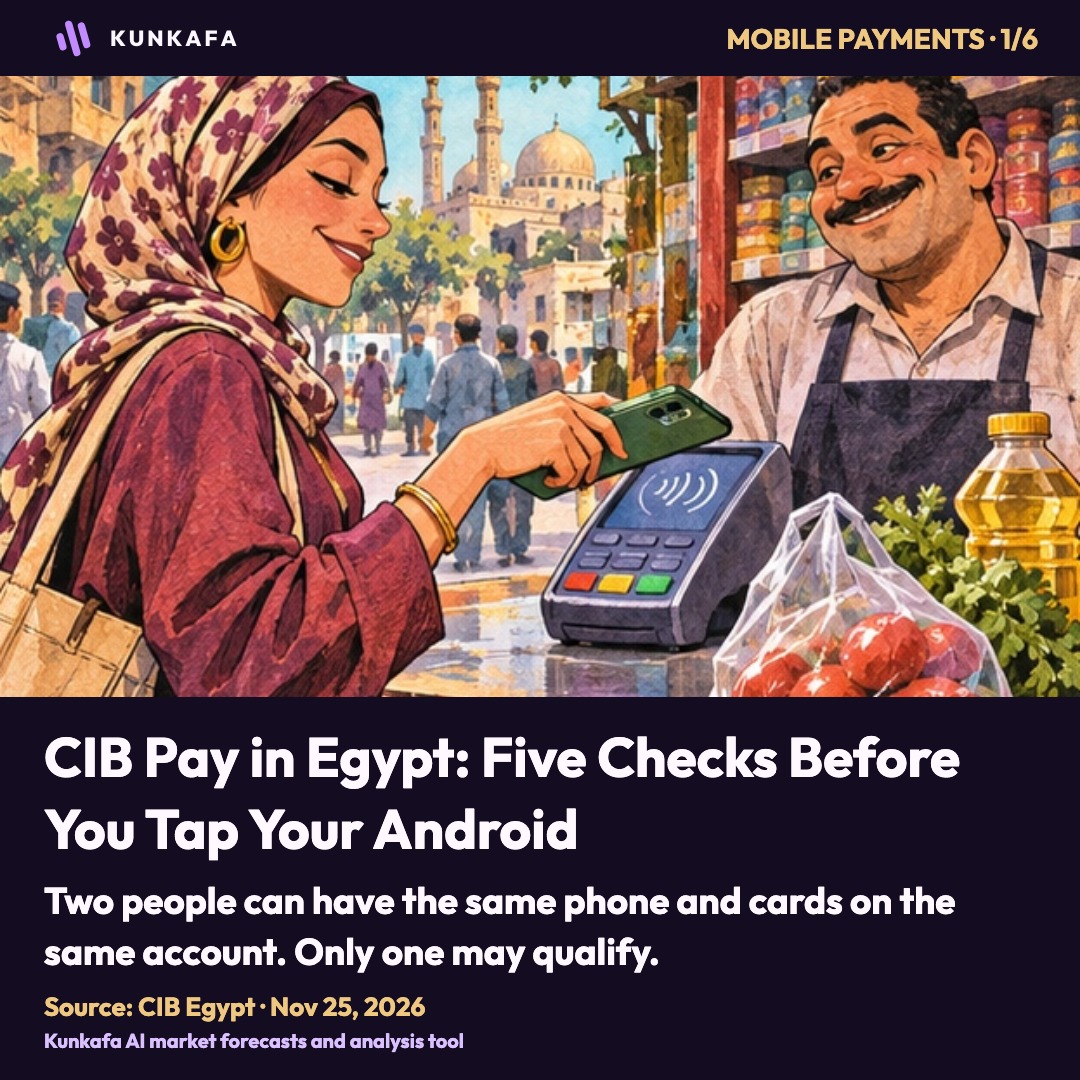
Hisham Ezz Al-Arab shared the eligibility rules for CIB Pay in Egypt. The Mastercard in your wallet and the SIM in your phone both matter.

Kunkafa News · Published · 5 min read
 By Kareem FaridDiscuss with the author on X
Here is a visual story in summary
Key points
- CIB Pay accepts eligible primary Mastercard debit and credit cards. Supplementary cards are excluded.
- Registration requires an NFC phone running Android 10 or later and the SIM registered with CIB.
Two CIB customers can bring identical Android phones to a checkout in Egypt and only one may be able to pay. In a November 25 post, Commercial International Bank CEO Hisham Ezz Al-Arab highlighted one easily missed distinction: a primary Mastercard qualifies, while a supplementary card on the same account does not. [1]
His clarification came two days after the Central Bank of Egypt announced that banks could offer card payments from Android phones using digital tokens. Each bank sets out which of its cards and devices customers can use. [2]
Five checks before you register
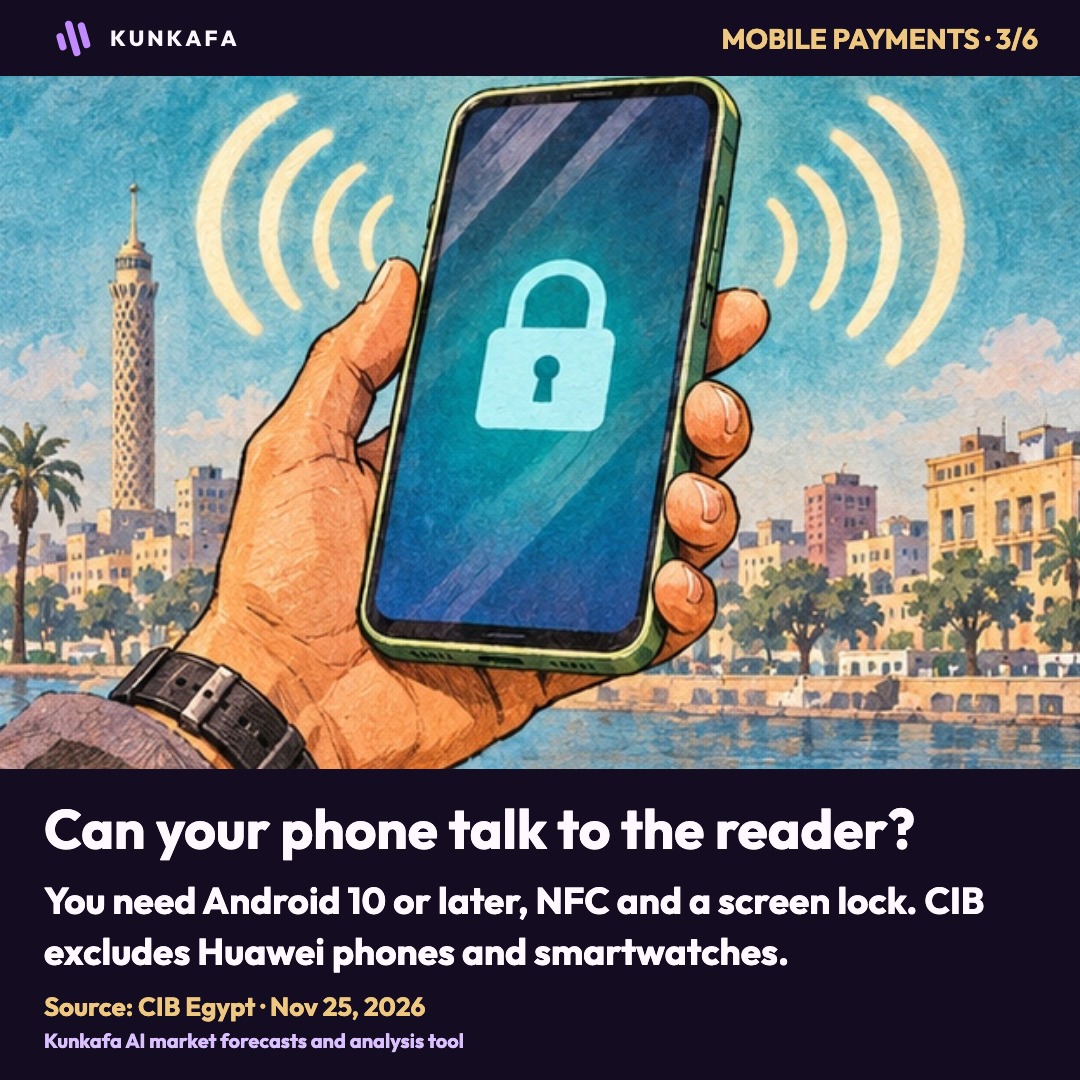
First, the phone must run Android 10 or later and support near-field communication (NFC), the feature that lets it communicate with a contactless reader. CIB excludes smartwatches and Huawei phones. [3]
Second, enable a screen lock so the phone can authenticate you at the till. [3]
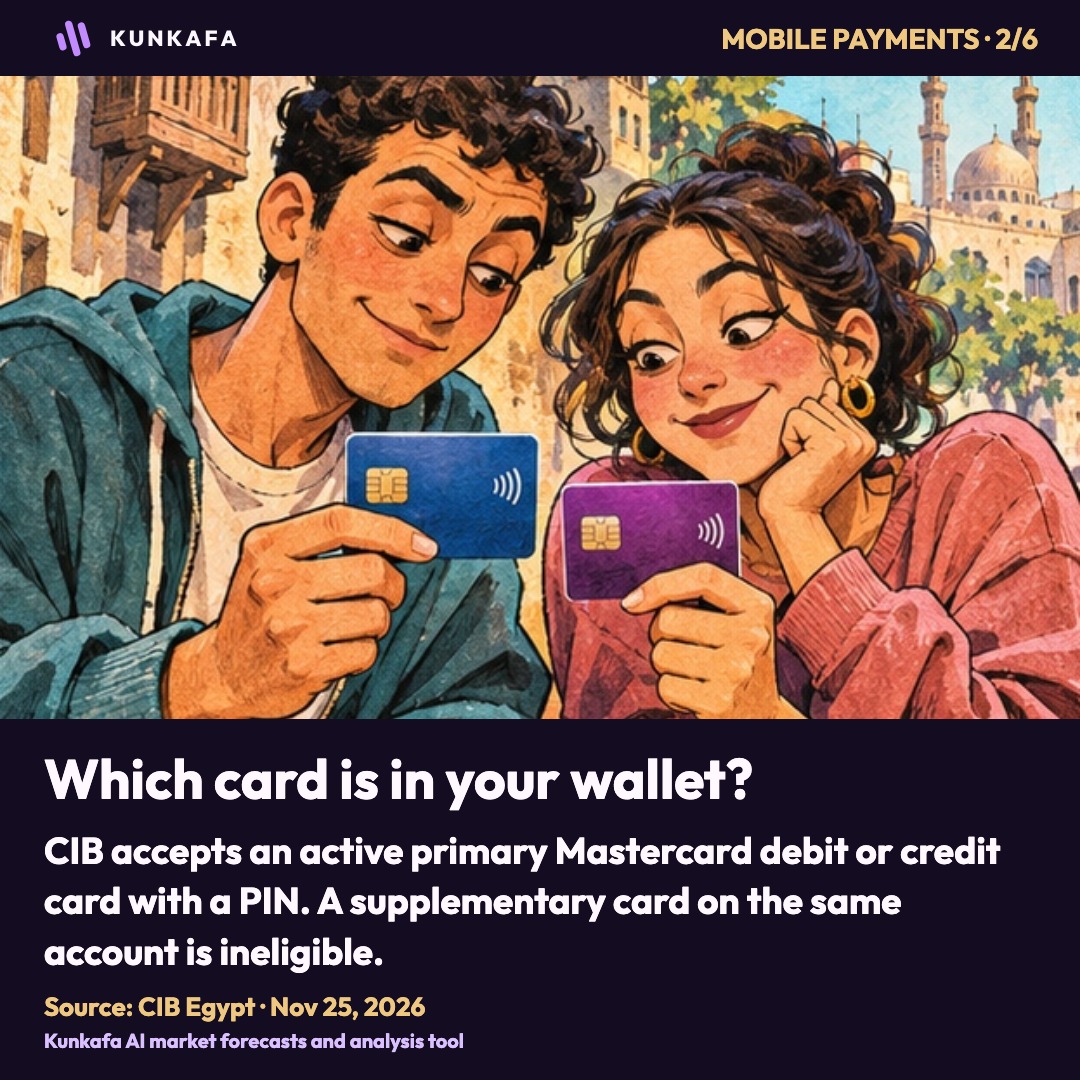
Third, check the card itself: CIB accepts an active primary Mastercard debit or credit card with a PIN. Visa and supplementary cards are excluded. [3]
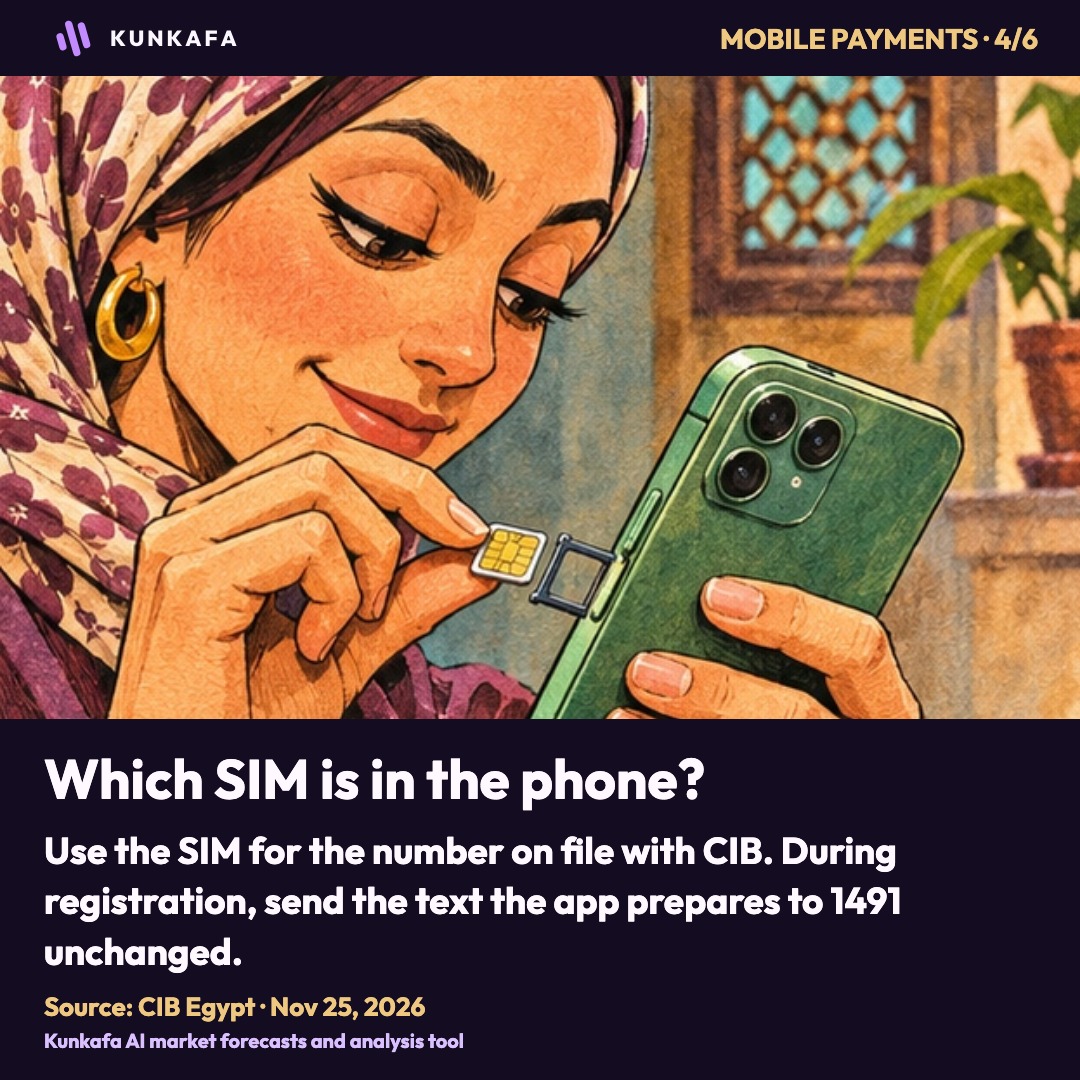
Fourth, put the SIM for the number registered with CIB in the phone you plan to use. The bank verifies that number during registration. [3]
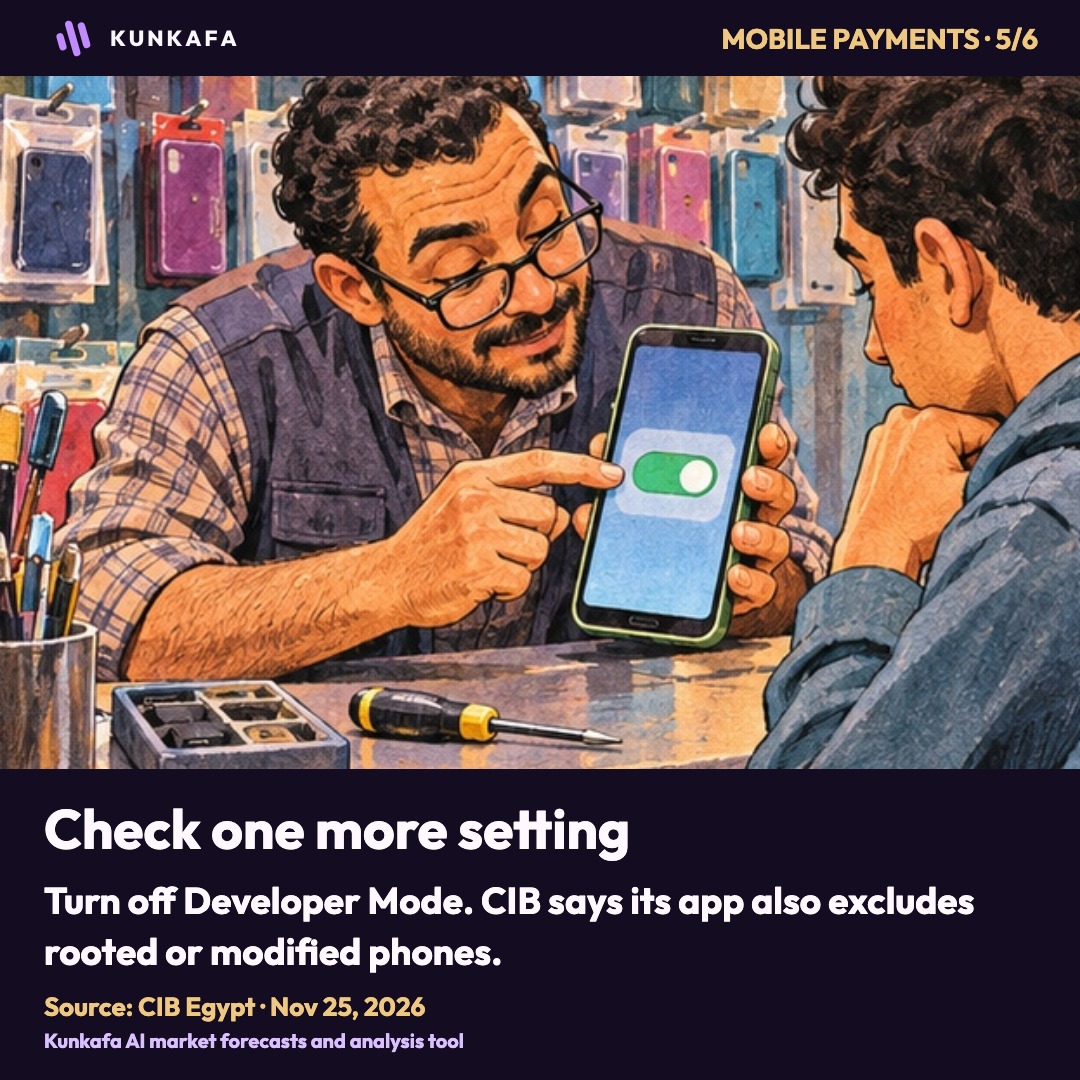
Fifth, turn off Developer Mode in the phone settings. CIB says its app does not run on rooted or modified phones. [3]
From registration to the first tap
Download CIB Pay from Google Play and check that the publisher is CIB Egypt. Even existing mobile-banking customers need to register separately in CIB Pay with their primary card and PIN. [3]
During verification, the app prepares a text message to 1491. Send it unchanged from the registered number, complete registration and enable Tap to Pay for your chosen card. [3]
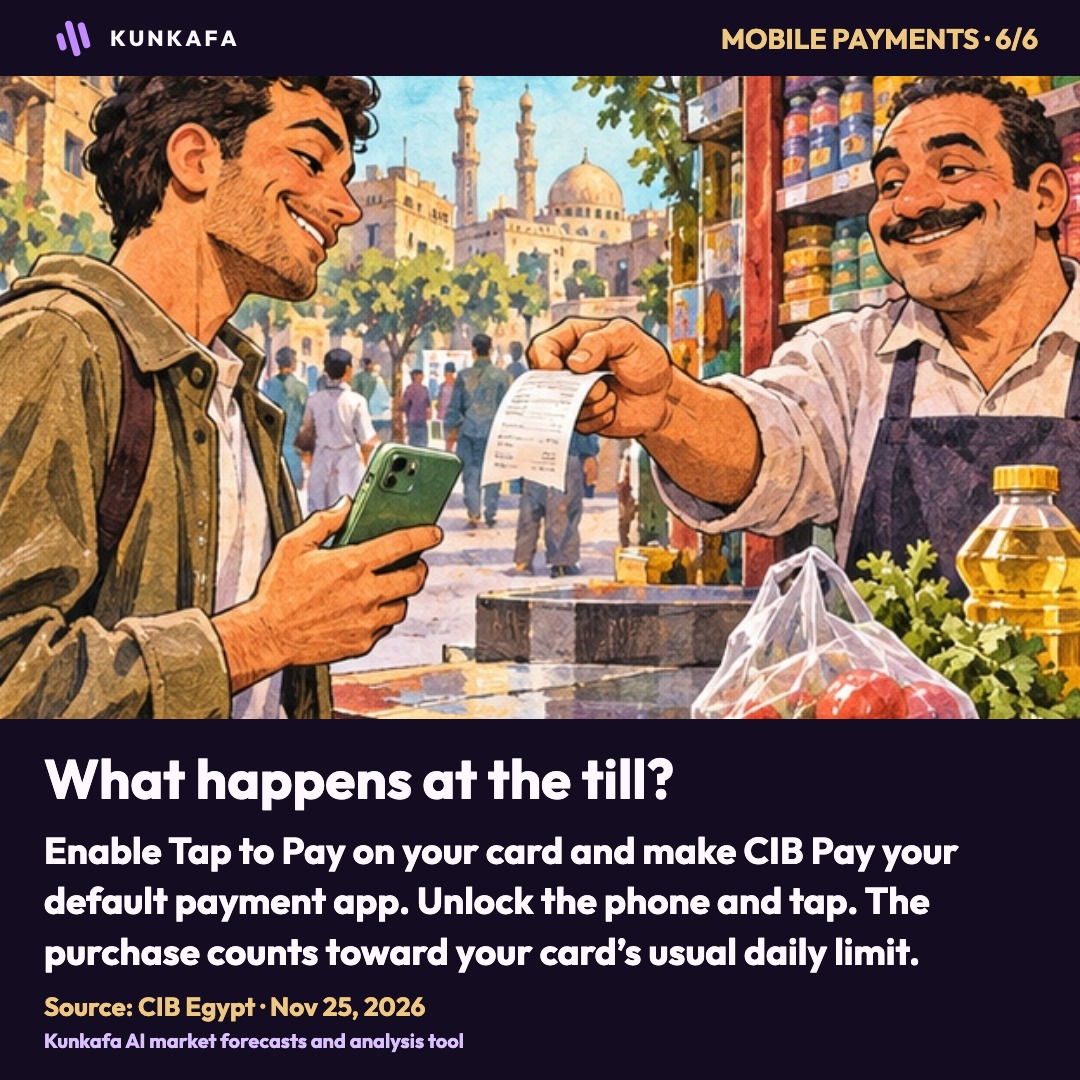
Set CIB Pay as the default payment app in your phone settings. Inside the app, choose which card to charge if you add more than one. [3]
At the till, unlock your phone and hold its back near the reader. CIB charges no extra fee for the service, and the purchase counts toward the same daily limit as your physical card. [3]
Why does each bank have its own app?
In the replies, Khaled Badawy asked why someone with accounts at three banks should have to download three apps. Ezz Al-Arab attributed the separate apps to regulatory instructions. He did not identify a specific circular. [4] [5]
Egyptians asked similar questions when banks began adding cards to Apple Pay in December 2024. Mohamed Samir asked whether the card was debit or credit. Abeer could add her National Bank of Egypt card, while her QNB card failed. These four posts recall that earlier rollout. Android users today face their own set of requirements.
Perspectives on adding Egyptian bank cards to Apple Pay in 2024


Sources: [1] Ezz Al-Arab, Nov. 25 · [2] Central Bank of Egypt, Nov. 23 · [3] CIB Pay guide · [4] Khaled Badawy, Nov. 25 · [5] Ezz Al-Arab’s reply, Nov. 25
Kunkafa forecasts
Euro - Dollar
How far it could move, which way, by when, and how confident Kunkafa is.
Check the latest forecastsMore in Economy

Egypt’s 27 Auto Plants Can Build 300,000 Vehicles a Year
As GM Egypt starts building the Chevrolet Groove with 45% local content, the prime minister puts investment in the country’s auto industry at $5 billion.

UAE Revamps Economic Committees After AED177bn FDI Record
Sheikh Mohammed announced a new approach to trade and investment ties as the UAE pursues its 2031 goal of AED240 billion in annual foreign direct investment.

Oil Drove 93% of Saudi Arabia’s September Export Rebound
A SAR26 billion jump in oil exports lifted September’s trade surplus. Re-exports rose too, while exports of Saudi-made non-oil goods slipped.