Markets
From Bonds to Nvidia, Brooks Sees US Moves Masking Weakness
Robin Brooks compares Washington’s backing for Jensen Huang with Treasury’s bond buybacks. The S&P 500’s 4.73% rebound recovered 36% of the points lost since its October peak.

Kunkafa News · Published · 4 min read
 By Kareem FaridDiscuss with the author on X
Here is a visual story in summary
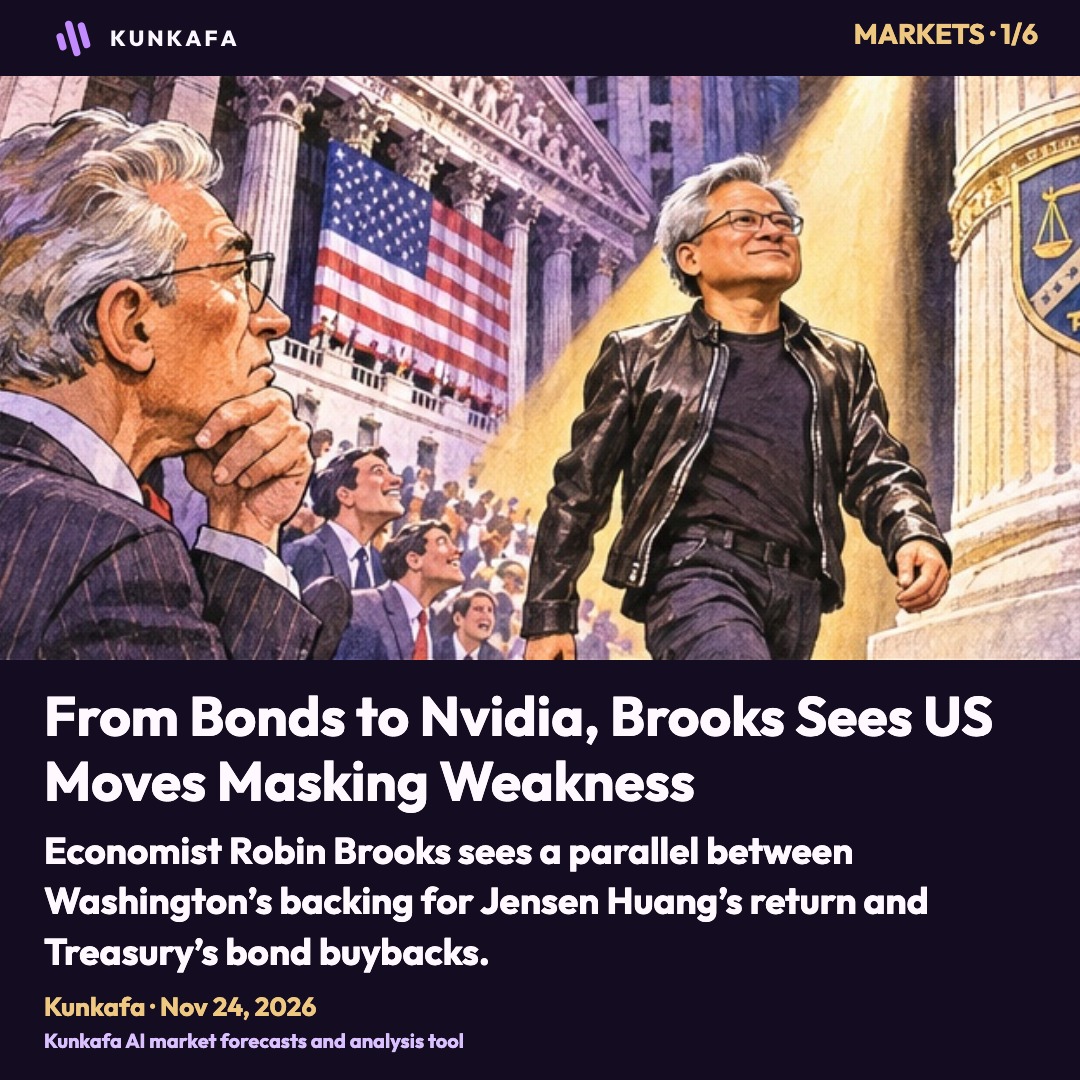

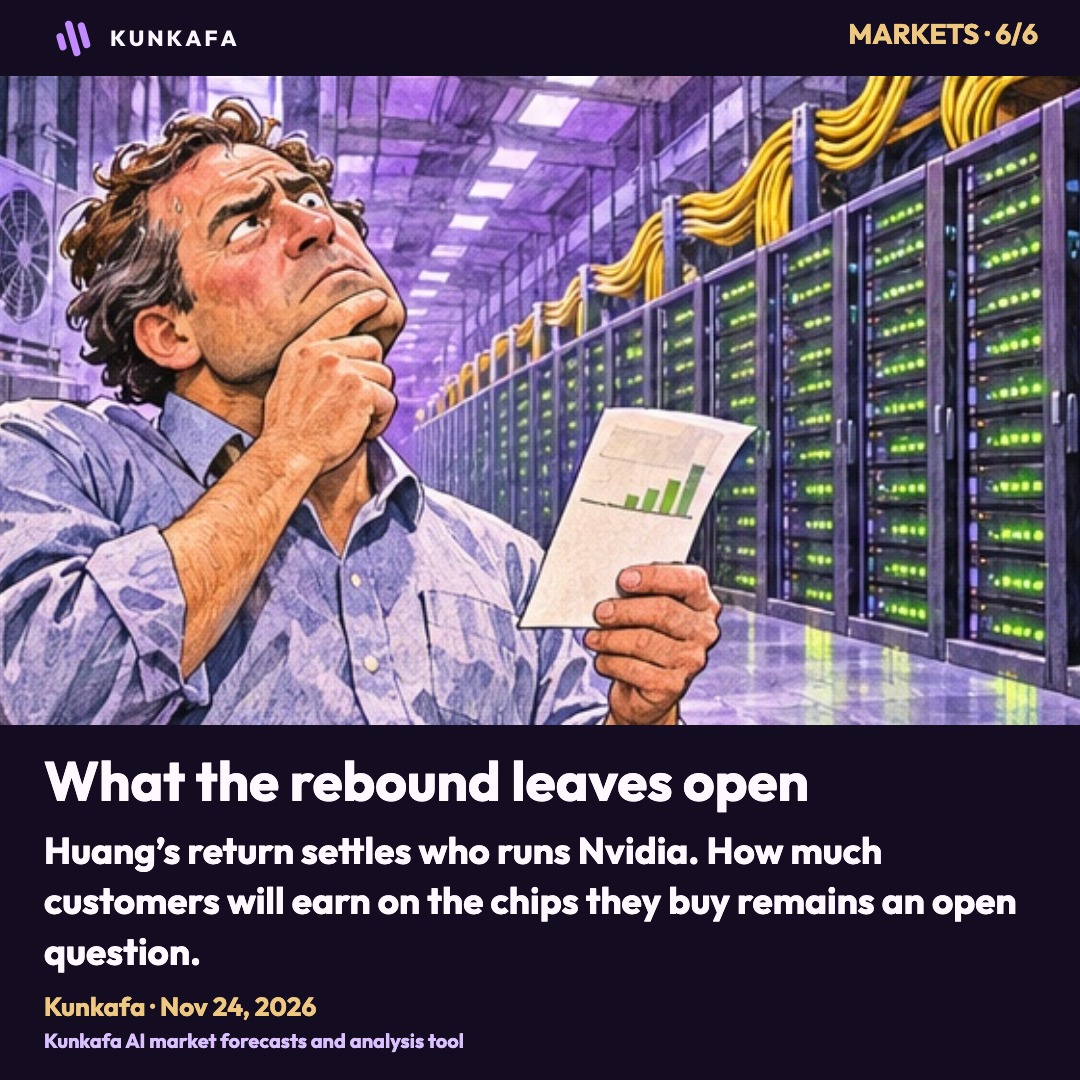
Economist Robin Brooks saw a warning in Jensen Huang’s return to Nvidia. In a November 24 post, the Brookings senior fellow compared Washington’s support for Huang with the US Treasury’s move to buy back more long-dated bonds in August. In both cases, he argued, officials stepped in just as investors were putting a price on an underlying weakness. [1] [2]
The US government's intervention on behalf of Jensen Huang at Nvidia feels similar to the Treasury buyback announcement this August. Both things are a reflection of underlying weakness and government efforts to stop markets from pricing that weakness... robinjbrooks.substack.com/p/what-my-foun…

What Washington did in each market
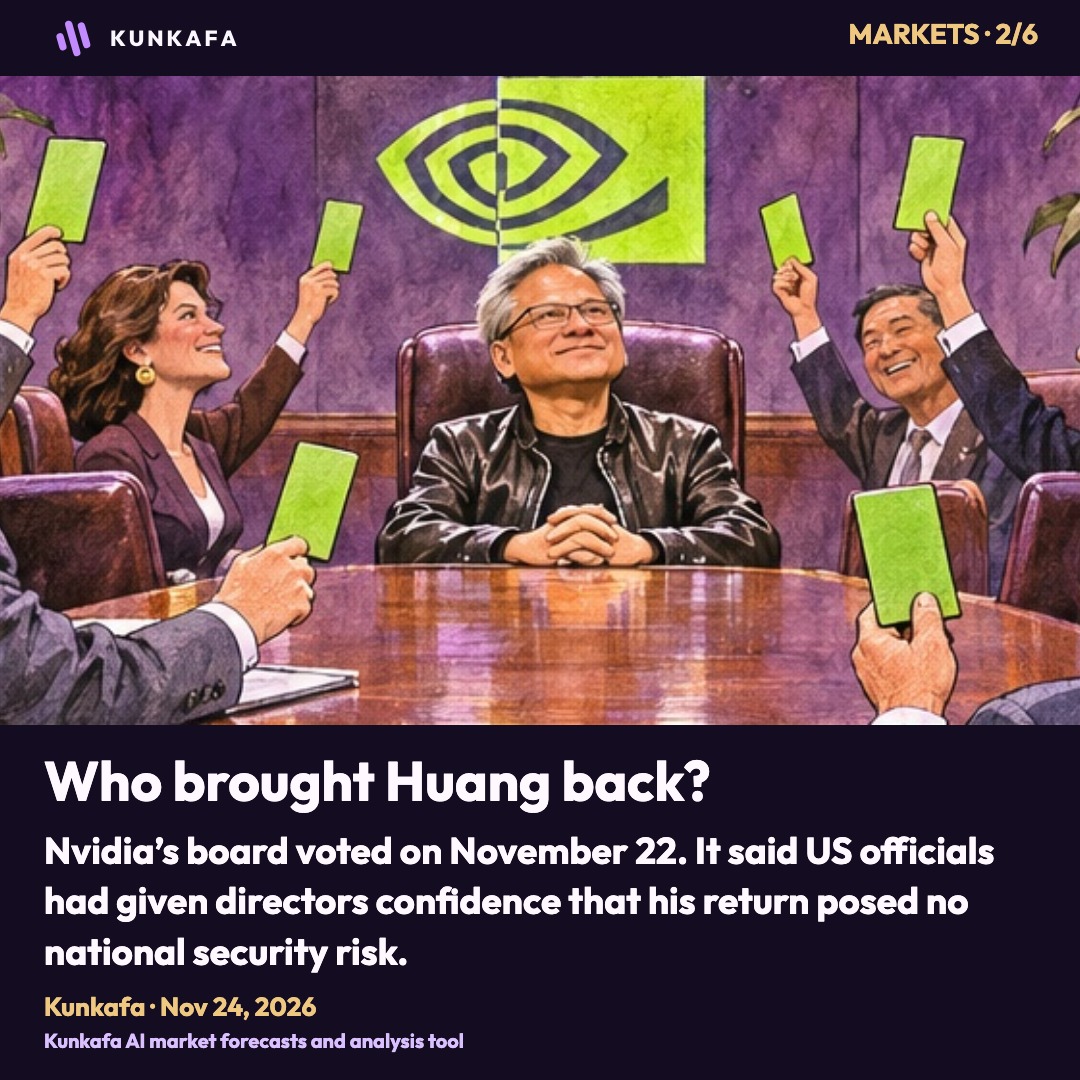
Nvidia’s board voted on November 22 to reinstate Huang as CEO, president and director. In announcing the vote the next day, Nvidia said input from senior US officials had given the board confidence that his return posed no national security risk. The board cast the votes. The government’s influence lay in the assurance it supplied. [3] [4]
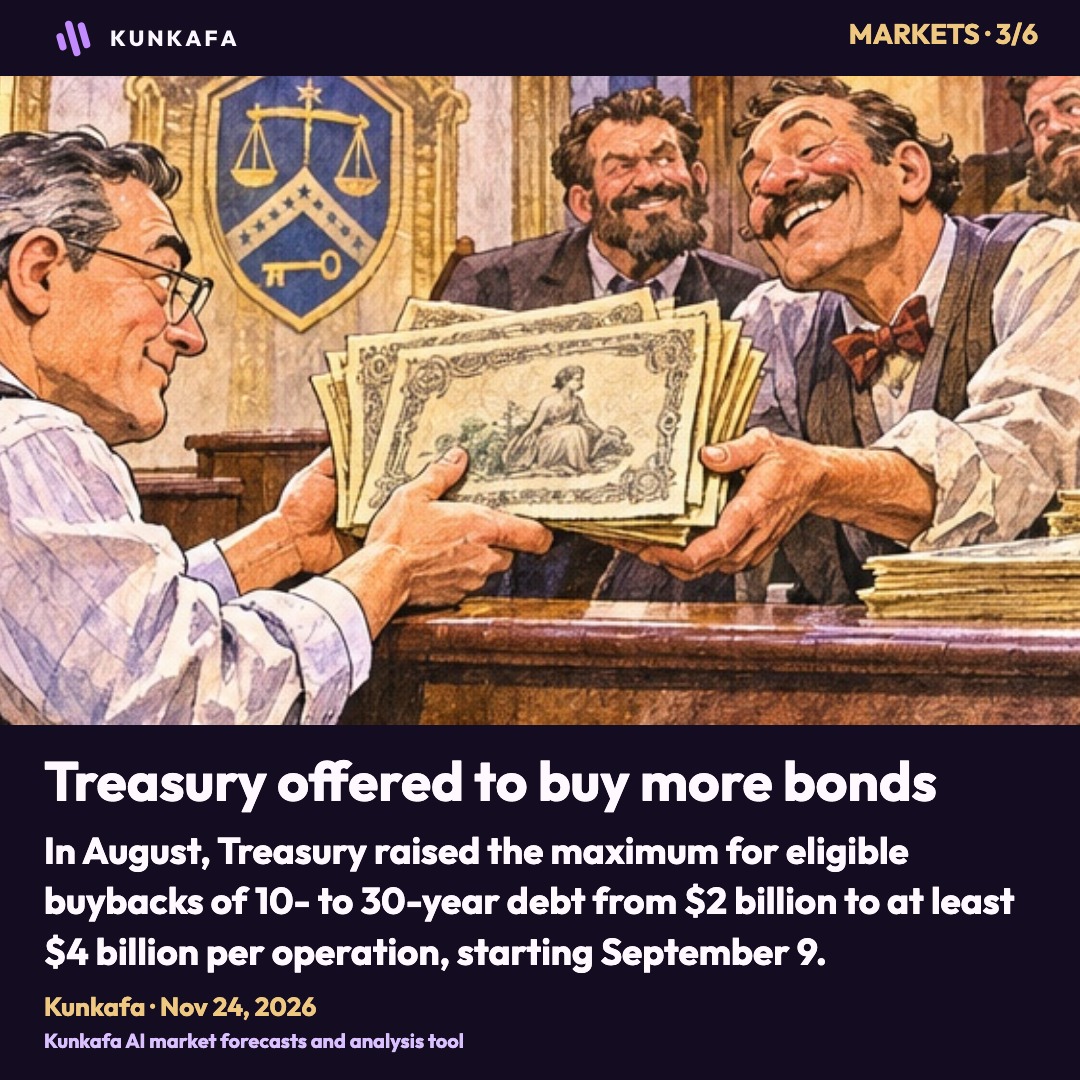
In the bond market, Treasury itself was the buyer. On August 19 it said the maximum size of each eligible buyback of 10- to 30-year nominal debt would rise from $2 billion to at least $4 billion, starting September 9. Treasury described a practical problem: dealers needed a dependable buyer for older bonds that trade less often. In November, most dealers reported some improvement in liquidity, while their ability to handle customer orders showed mixed results. [5] [6]
What the S&P 500 got back
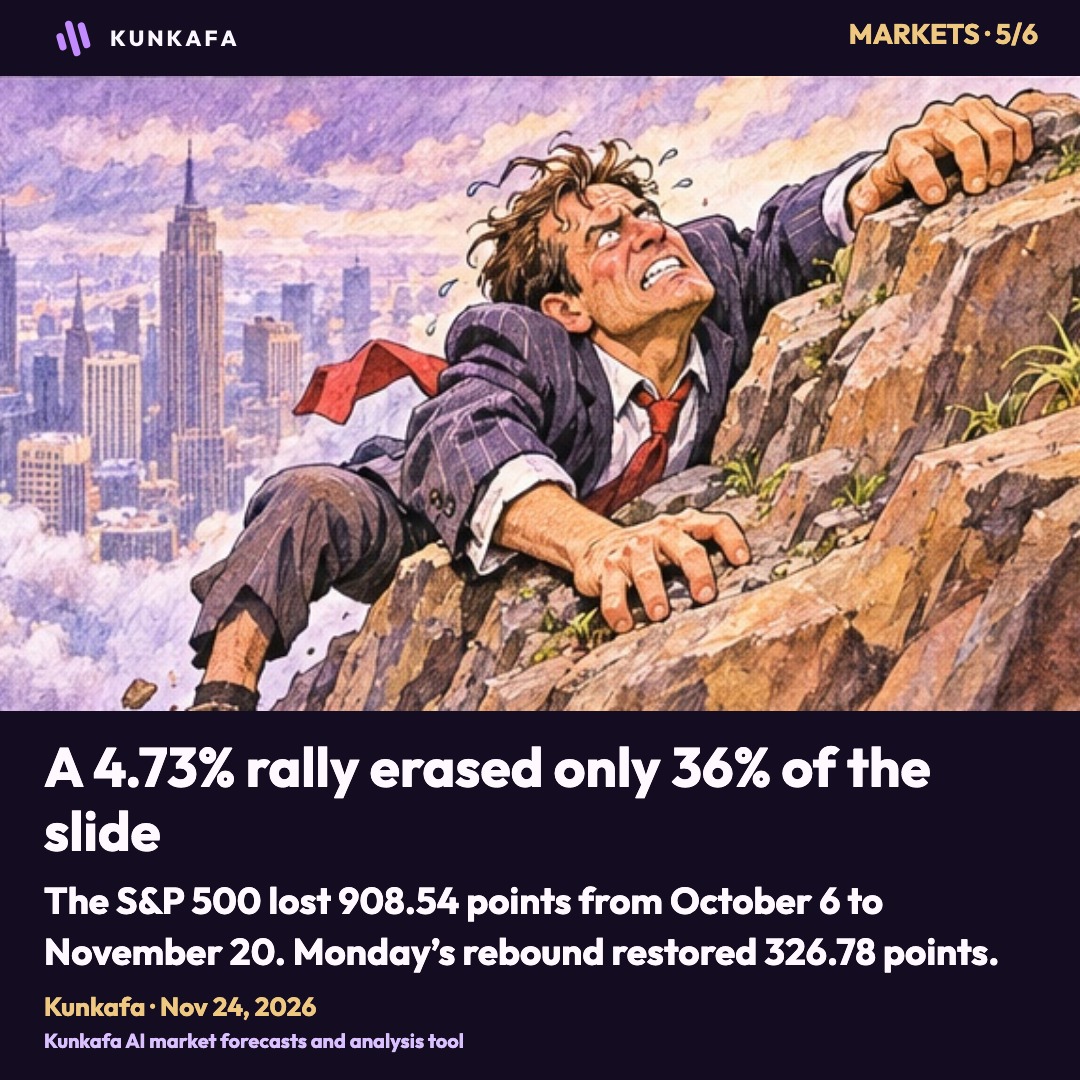
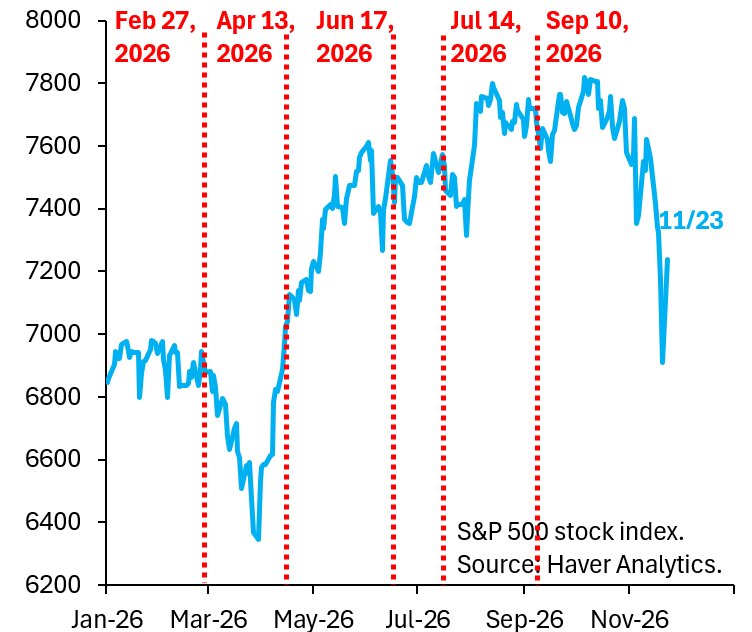
Brooks attached a chart of the S&P 500. The index closed at 7,818.93 on October 6 and 6,910.39 on November 20, a loss of 908.54 points. On Monday, November 23, it gained 326.78 points to 7,237.17. That 4.73% rally recovered 36% of the points lost. Even after one such strong session, the index was 7.44% below its closing high. [1] [7] [8]
In his linked newsletter, Brooks described conversations with founding subscribers who had questioned AI valuations before Huang left. The distinction matters for investors: bringing back a founder can resolve uncertainty over who runs Nvidia. How much customers ultimately earn on the chips they buy remains an open question. The index measures the rebound. It cannot tell us what share of it Washington caused. [9]
Before Brooks made his comparison, investors were already arguing about Washington’s influence. Ben Pouladian urged the board to bring Huang back on national security grounds. Ross Gerber had backed his interim successor. After the rebound, another investor questioned how much buying came from traders closing short positions.
Perspectives on Washington’s role in Huang’s return


Sources · [1] Brooks on X, November 24 · [2] Brookings · [3] Nvidia, November 23 · [4] Nvidia filing · [5] US Treasury, August 19 · [6] Treasury advisory committee minutes · [7] S&P Dow Jones Indices via FRED · [8] Cboe · [9] Brooks’s newsletter
Kunkafa forecasts
NVIDIA
How far it could move, which way, by when, and how confident Kunkafa is.
Check the latest forecasts
More in Markets

Nasdaq Futures Slip. S&P Rally Won Back Just 46% of Losses
Nasdaq-100 futures were down 1.51% at 10:44 UTC. Monday’s rebound had recovered less than half the points the S&P 500 lost from October 23 to Friday.

Sanofi Bets $41 Billion on Insmed and Its Breakout Lung Drug
The $175 cash offer is 46% above Insmed’s share price before deal reports. Brinsupri crossed $1 billion in cumulative sales little more than a year after launch.

Foreign Buyers Return to Dubai Stocks in an AED248m Swing
Dubai Islamic Bank accounted for 93% of the pickup in share trading. Deyaar led on volume even as foreign ownership fell.