Tech · Explainer
KAUST-Backed Startups Have Made $1.1 Billion in Sales
The Saudi university’s portfolio includes startups founded on campus and companies from abroad. One quantum computing firm took about 59% of the latest year’s funding.

Kunkafa News · Published · 4 min read
 By Kareem FaridDiscuss with the author on X
Here is a visual story in summary
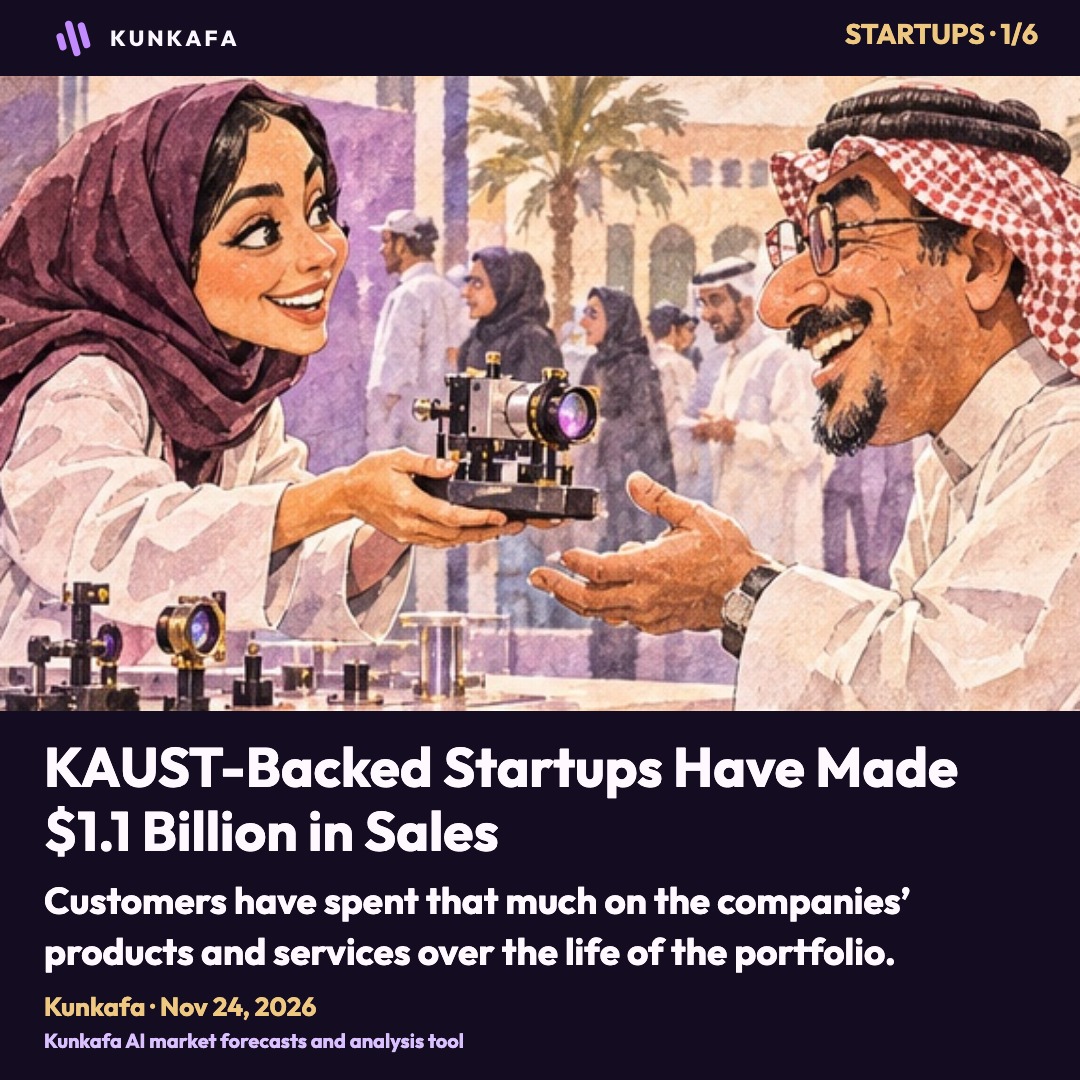

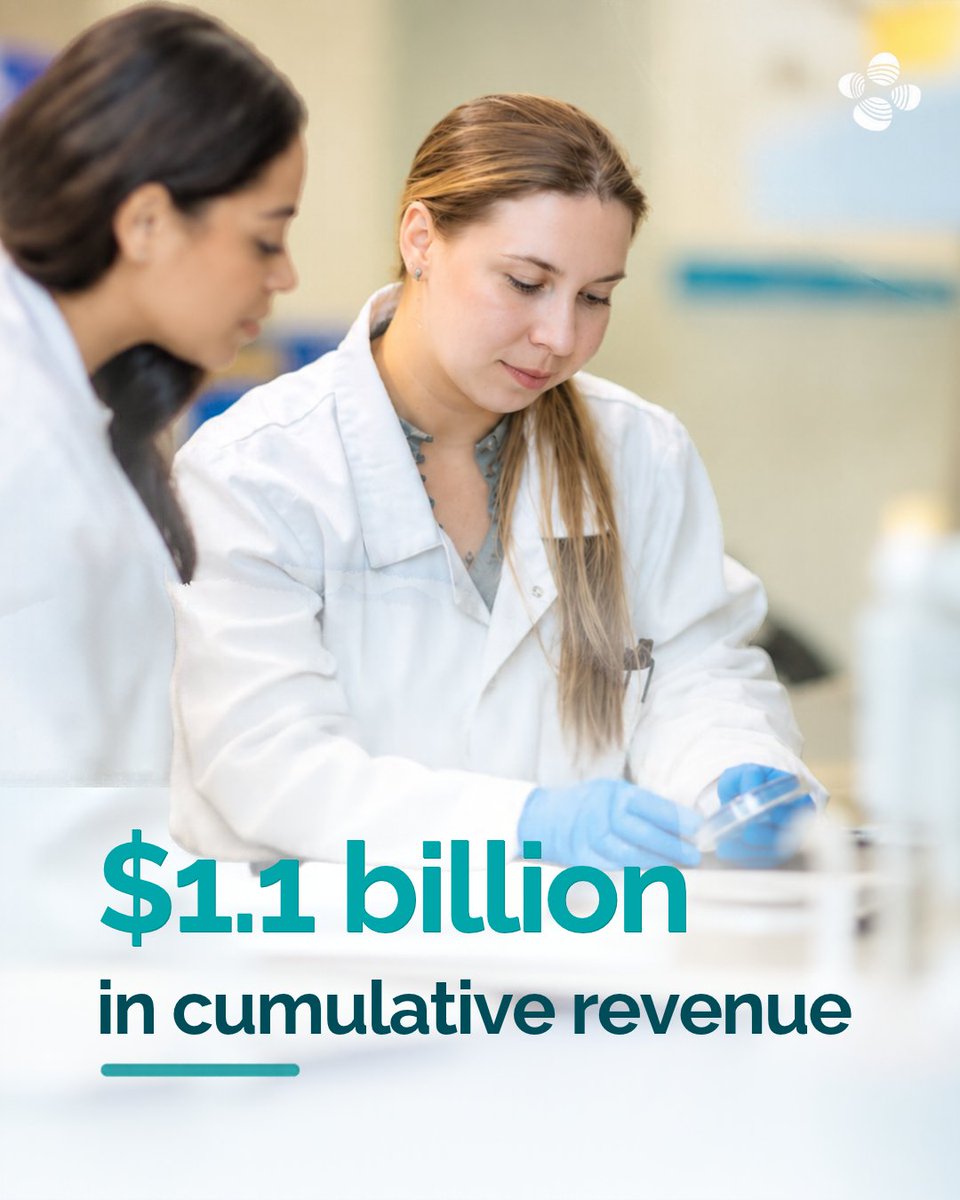
Customers have bought $1.1 billion in goods and services from startups supported by King Abdullah University of Science and Technology, the Saudi university said on November 23. That is cumulative revenue across its portfolio. The companies now span businesses as different as cybersecurity, agriculture and quantum computing. [1]
Key points
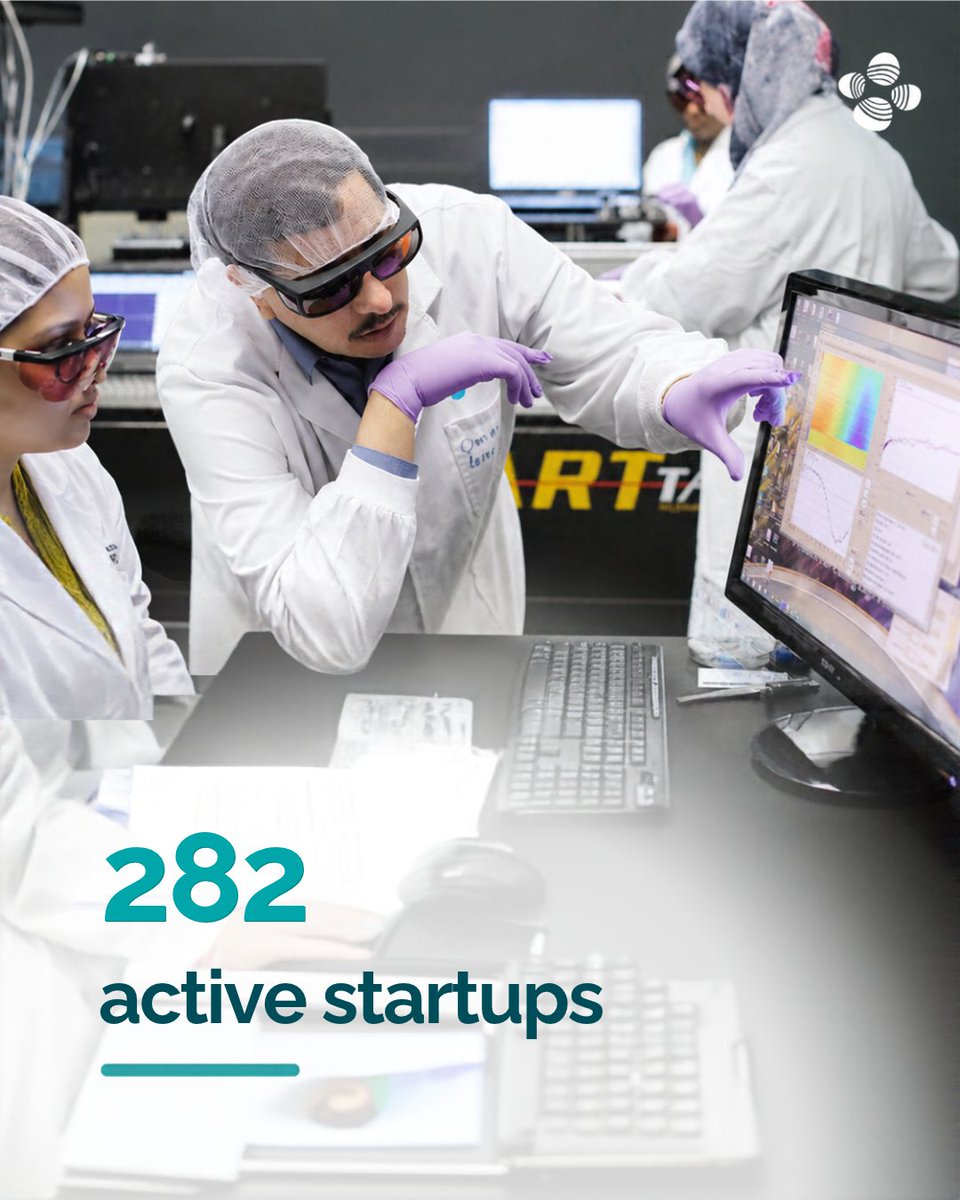
- KAUST counts 282 active startups in its portfolio, with a combined valuation of $5.7 billion.
- In the year to June 2026, 66 companies raised $338 million. A $200 million round at Pasqal accounted for about 59% of that total.
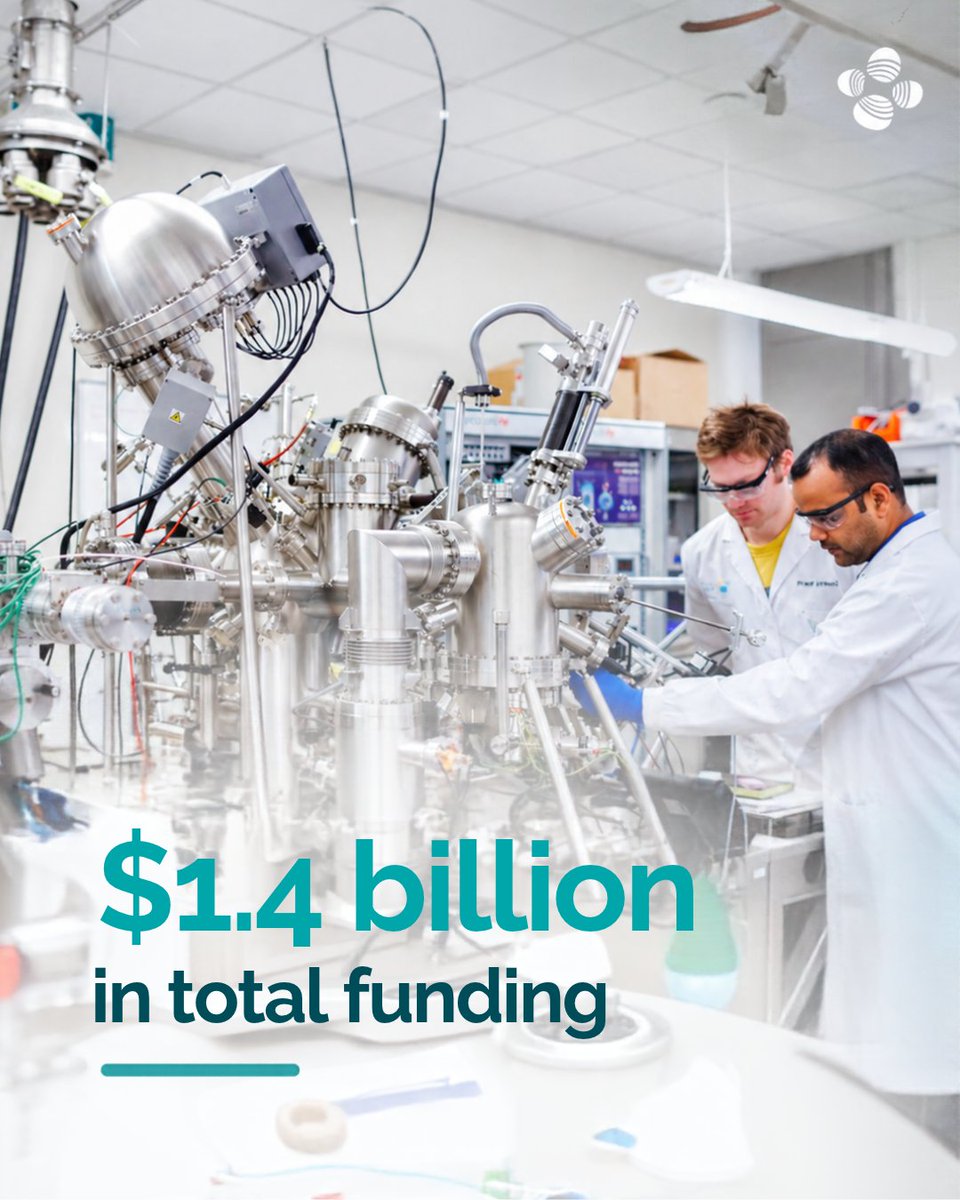
KAUST-supported startups attract US$1.4 billion in total funding, driving growth in Saudi Arabia’s venture capital ecosystem. Read more: kaust.news/12kM0

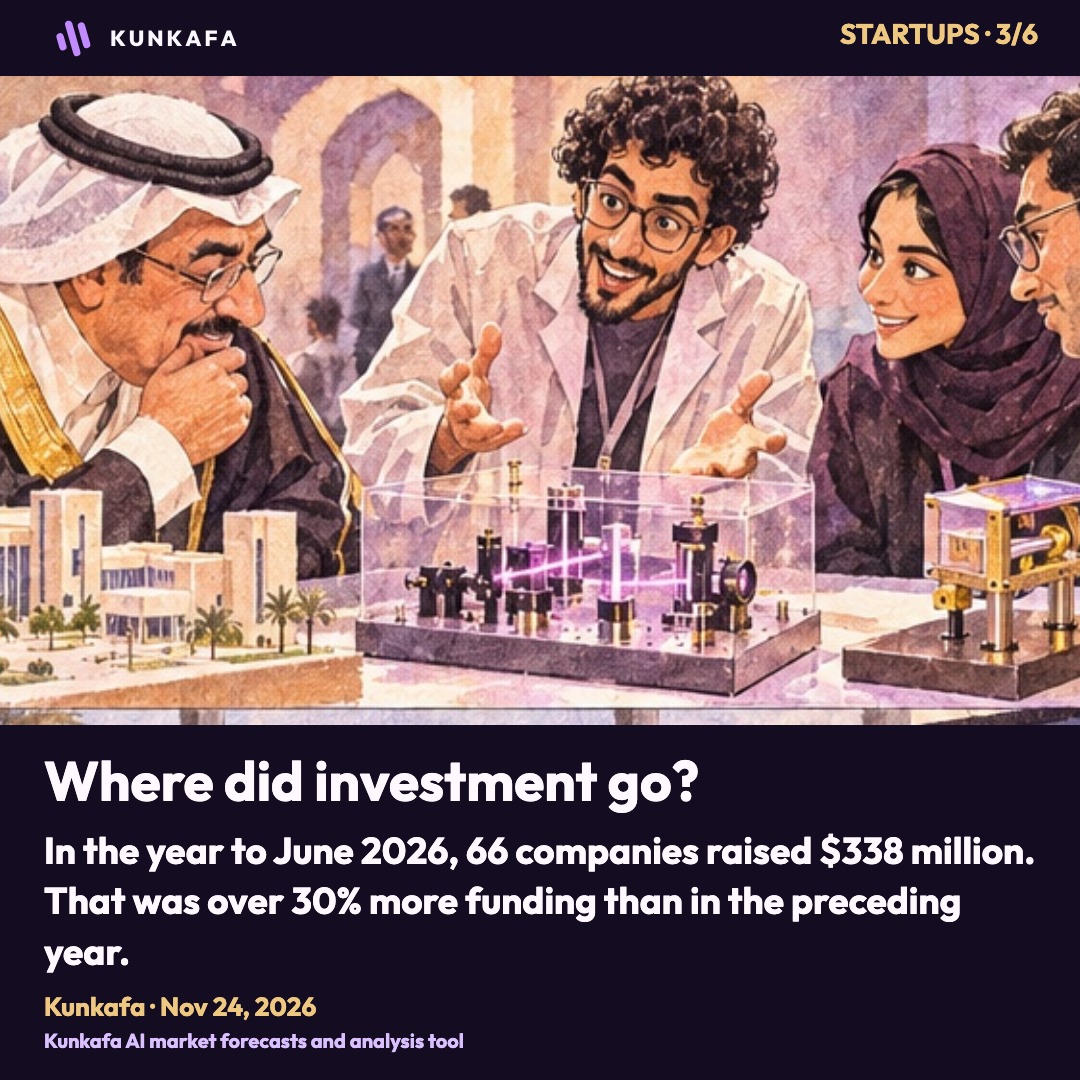
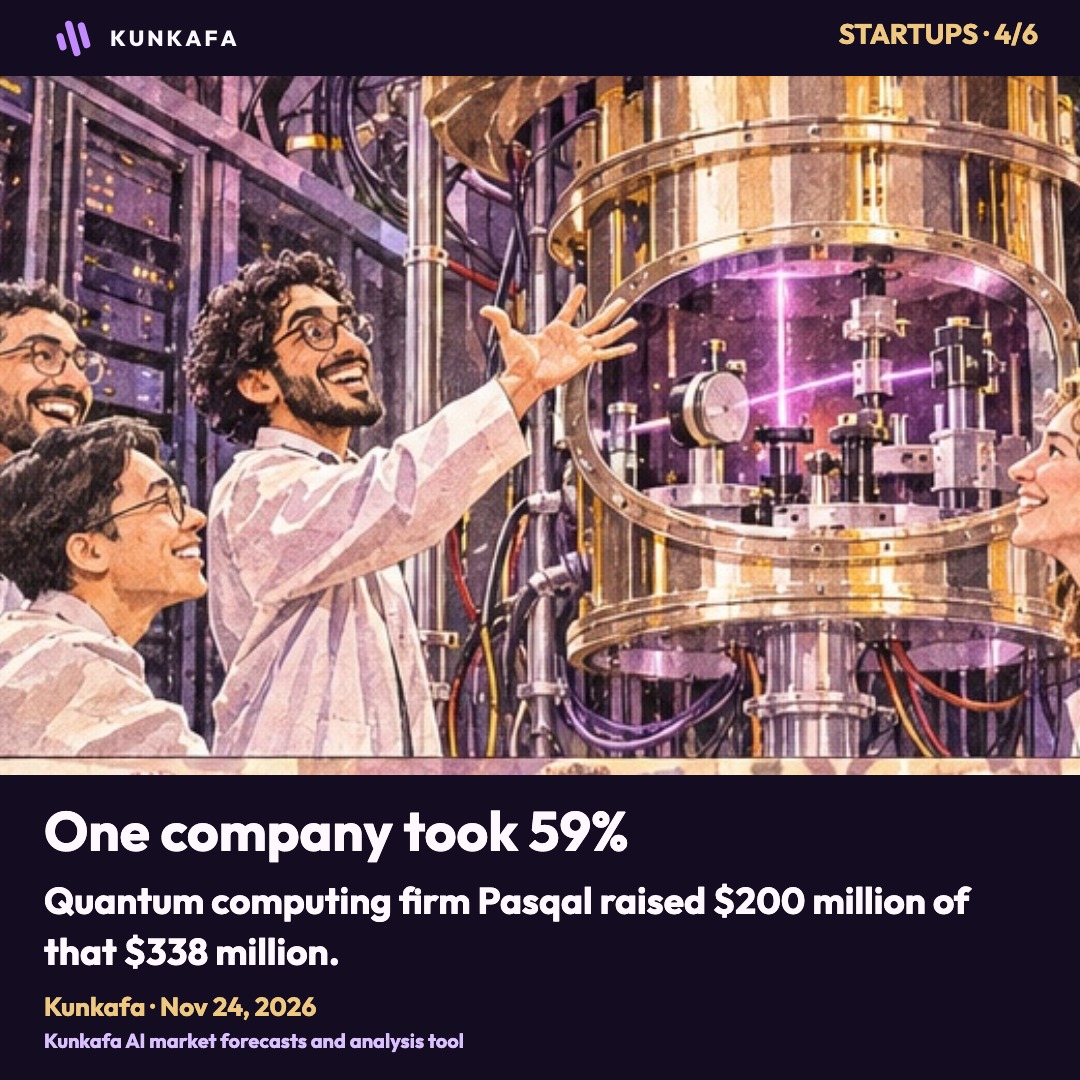
The fundraising figures tell a different part of the story. From July 2025 to June 2026, 66 companies raised $338 million, up more than 30% from the preceding year. Quantum computing firm Pasqal accounted for $200 million, or about 59% of the year’s total. Cybersecurity company COGNNA raised $9.2 million. [1]
One customer already has a machine to show for it. In May, Aramco and Pasqal inaugurated a quantum computer at the oil company’s data center in Dhahran. Aramco is an anchor customer, and universities and other businesses can use the hardware remotely. The partners identified port logistics and well placement among the problems they want to tackle. [2]
What counts as a KAUST startup? Some companies grew out of the university’s own research. Others were already operating elsewhere when they joined its programmes. That distinction matters when reading the $1.1 billion figure. It measures the companies’ combined sales over time. The assessment used figures reported by 83% of the companies. KAUST did not break those sales down by country or say how many companies were profitable. [1]
How does an idea get its first paying customer? In posts about their own businesses, Luca Ardito recalls a stranger’s £8.94 purchase and Utkarsh Jha describes signing an enterprise customer before launch. Sohaib Qadri remembers the months before a pilot. Marketing executive Volodymyr Khomichenko explains what a larger buyer needs to see. These are independent experiences shared before KAUST released its figures.
Perspectives on turning a startup idea into sales


Over the life of the portfolio, the companies have raised about $1.4 billion. KAUST puts its own funding contribution at roughly $77 million and says 90% of the portfolio’s financing came from external sources. Investors put a price on the businesses too. Together the 282 active companies are valued at $5.7 billion, according to the university. [1]
Sources: [1] KAUST, November 23, 2026 · [2] Pasqal and Aramco, May 18, 2026
Kunkafa forecasts
Nasdaq 100
How far it could move, which way, by when, and how confident Kunkafa is.
Check the latest forecastsMore in Tech

Amazon Signs Deal for Decart’s AI Tech, Reported at $7.5B
The Israeli startup helped Amazon run real-time video faster on its own chips. Amazon now wants the software behind that result and the engineers who built it.

A Palm Weevil Alarm Makes Riyadh’s 1,200-Team Final
1,200 teams from 55 countries qualified for the Riyadh fair. One team wants to spot palm weevil infestations before growers see signs of damage.

A Global DNA Database Lacked 17 Million Variants From Egypt
A study found 17.1 million variants missing from a major database. Egypt’s November update shows how the wider national project has grown.