Markets · Market move
Jarir Drops as Much as 7.6% on SAR 130 Million Saudi Tax Estimate
The bookseller put a figure on the 2027 tax under an illustrative earnings scenario. Saudi banks rose and the Tadawul index reclaimed 10,000 points.

Kunkafa News · Published · 4 min read
 By Kareem FaridDiscuss with the author on X
Here is a visual story in summary
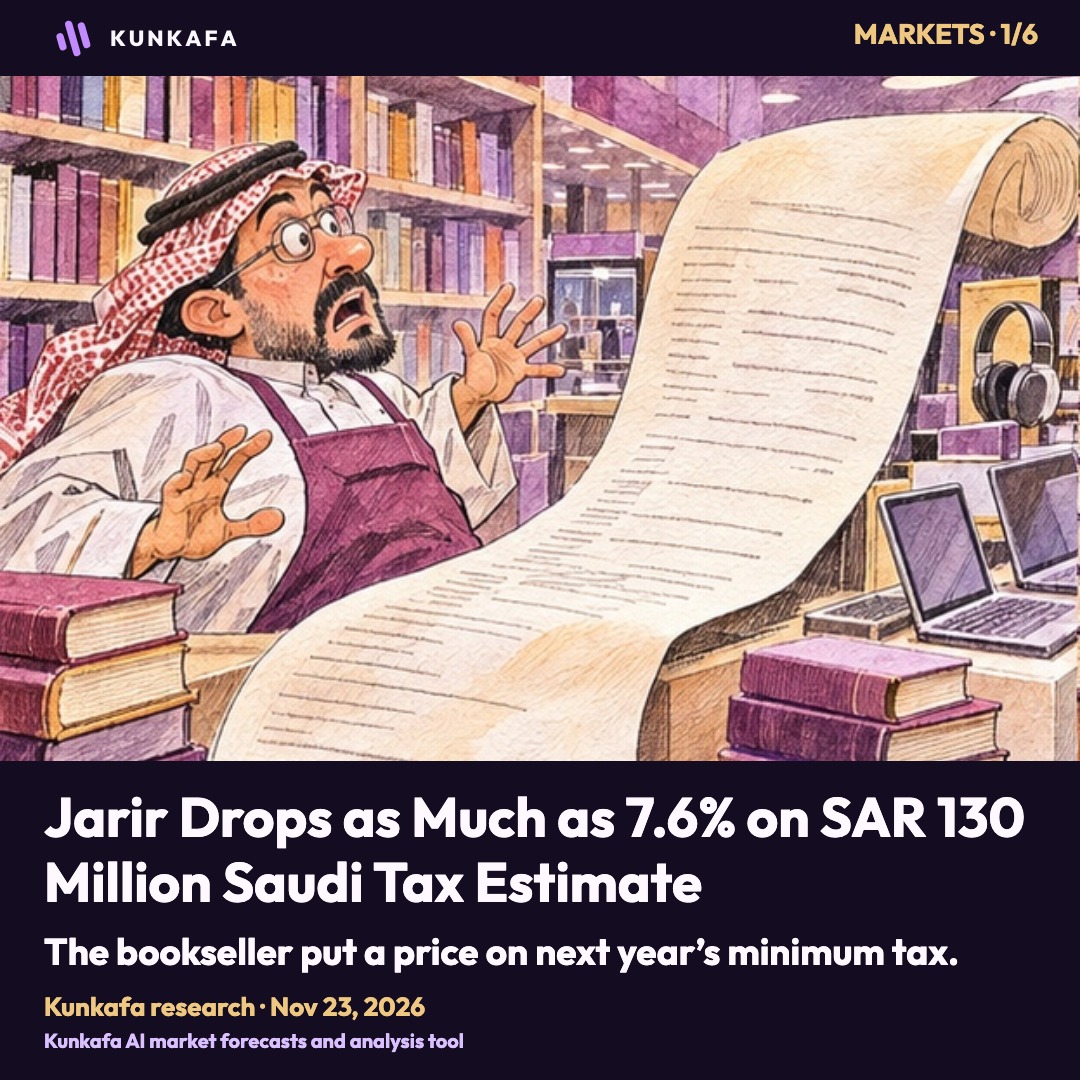
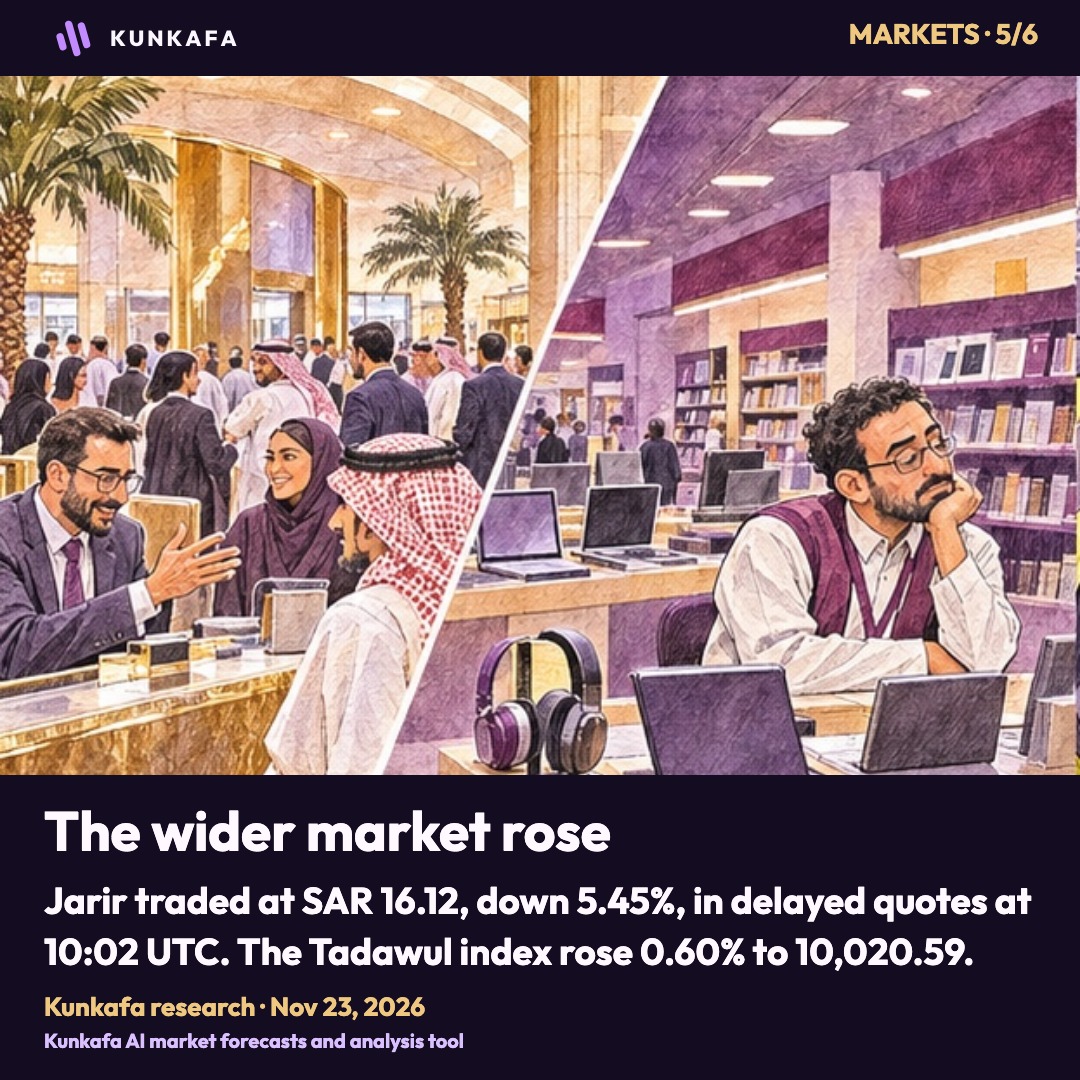
Jarir Marketing gave Saudi investors a number on Monday for a tax that starts next year: SAR 130 million. That is how much the books and electronics retailer estimates the new minimum tax could cost if annual profit holds around SAR 1.2 billion. Its shares fell as much as 7.6% to SAR 15.76 as the wider Saudi market climbed back above 10,000 points. [1] [2] [3]
In quotes delayed by 15 minutes and available at 10:02 UTC on November 23, Jarir traded at SAR 16.12, down 5.45% from Sunday’s SAR 17.05 close. The Tadawul All Share Index gained 0.60% to 10,020.59, recovering part of Sunday’s 198-point loss. [2] [3]
Where the SAR 130 million comes from
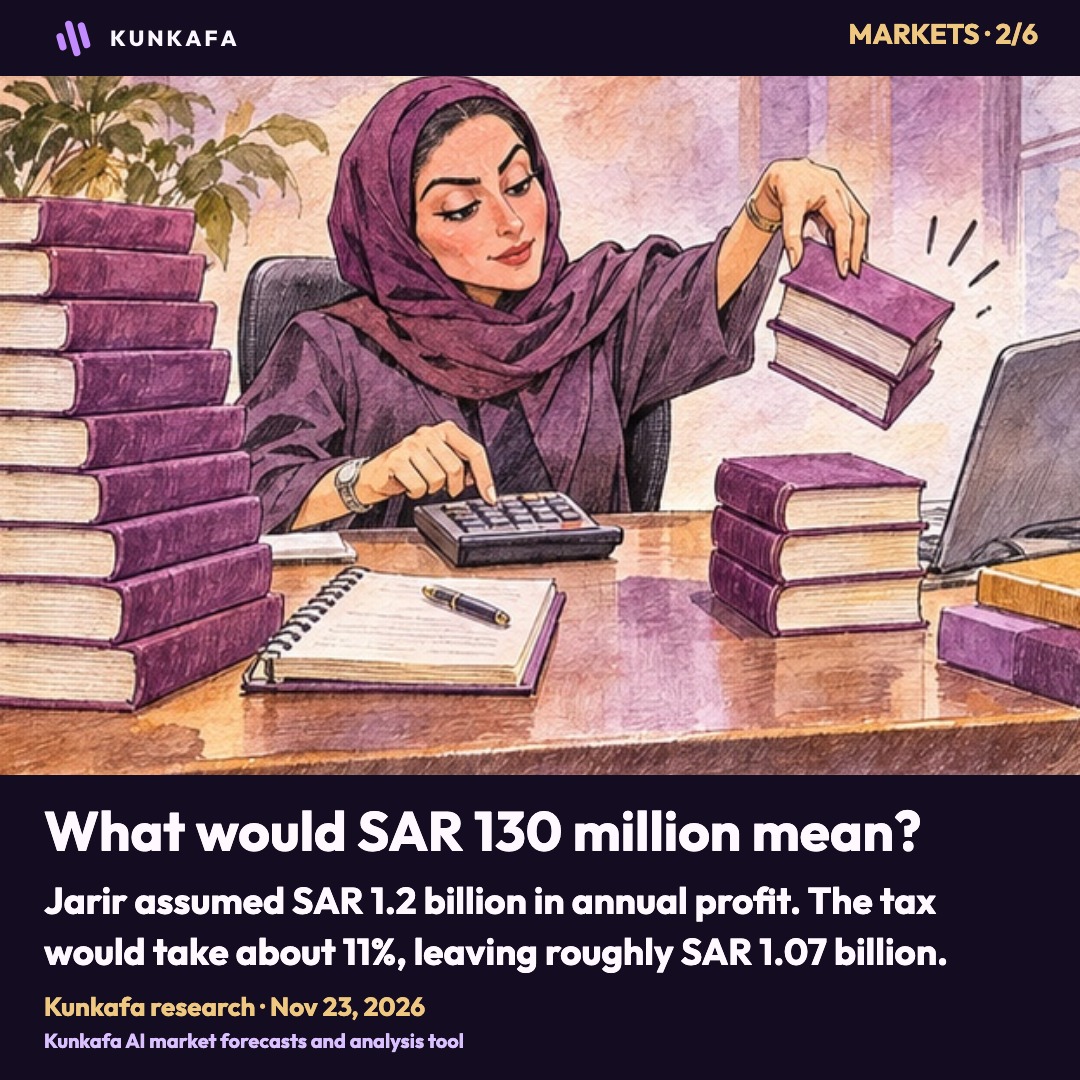
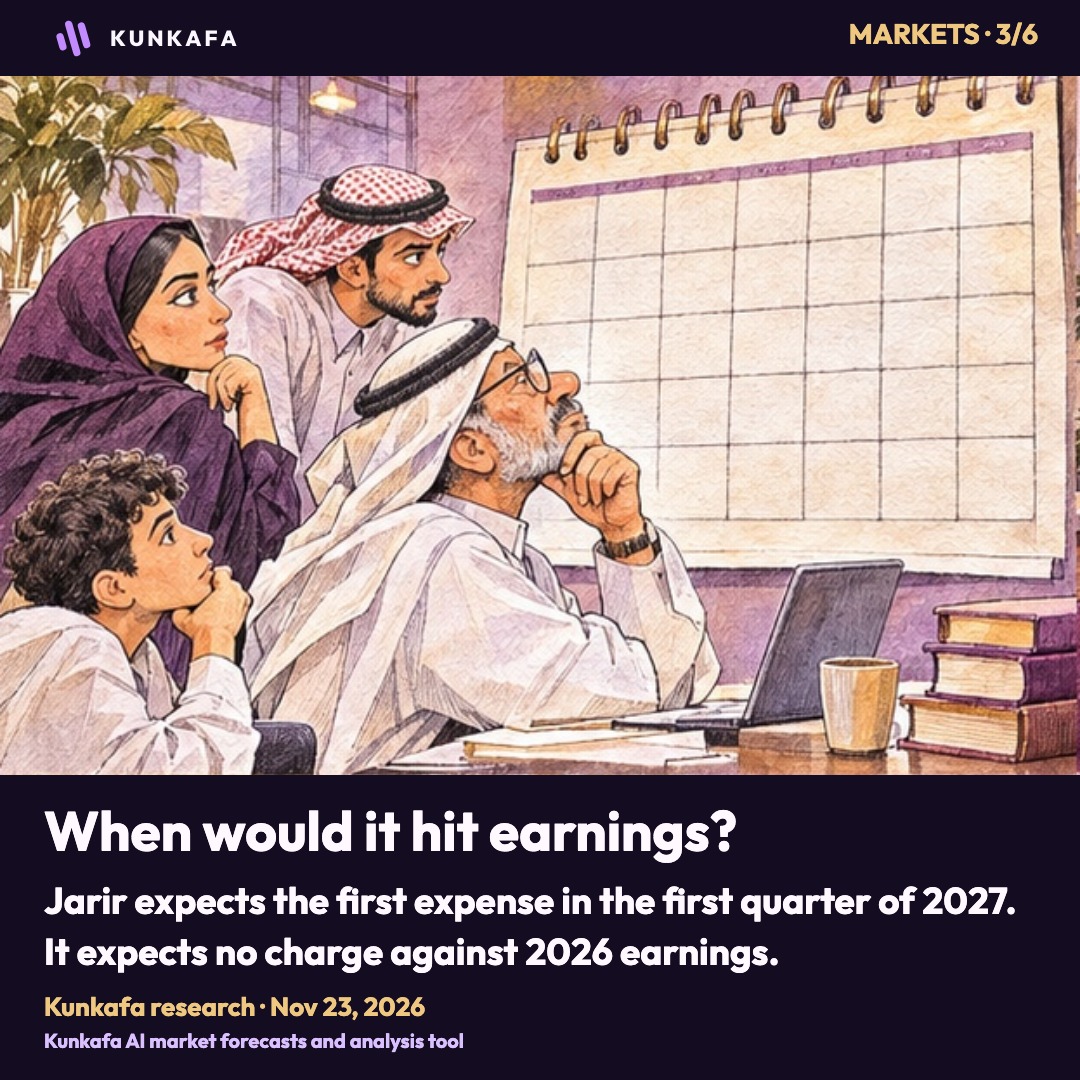
Jarir started with a figure close to the profit it earned in the 12 months to September 30, after zakat and other income taxes. On that base, the top-up would absorb about 11%, leaving roughly SAR 1.07 billion. The SAR 1.2 billion is an illustration. Actual 2027 earnings, deductions and the final rules determine the bill. Jarir says the first expense falls in the first quarter of 2027 and sees no charge against 2026 results. [1]
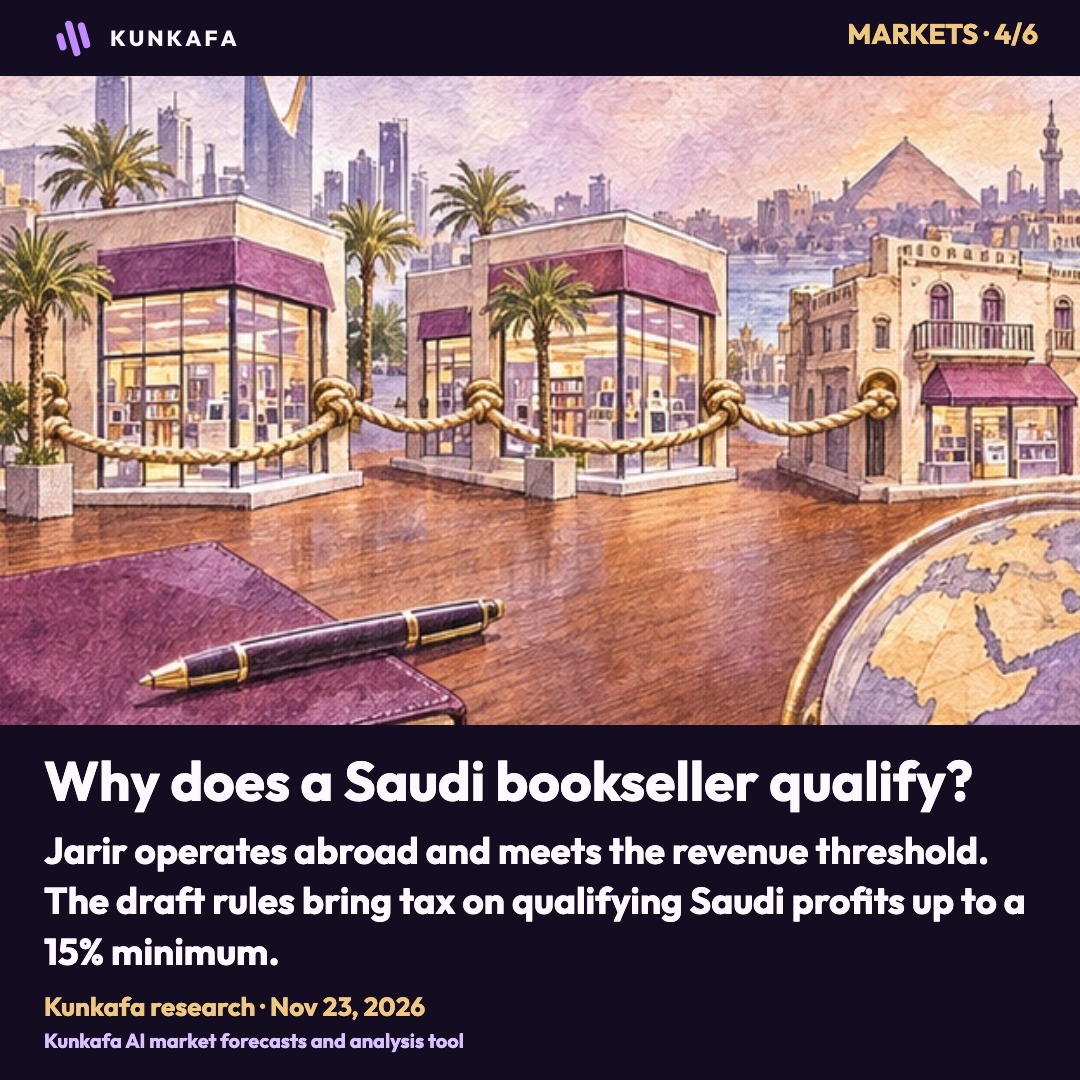
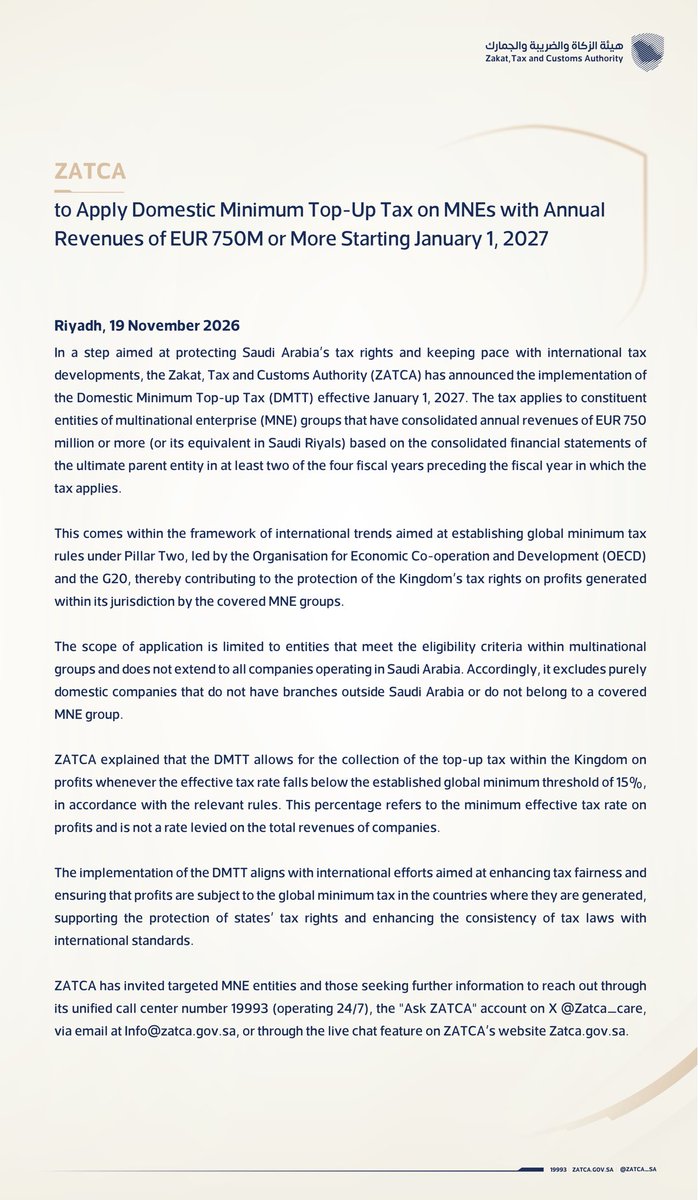
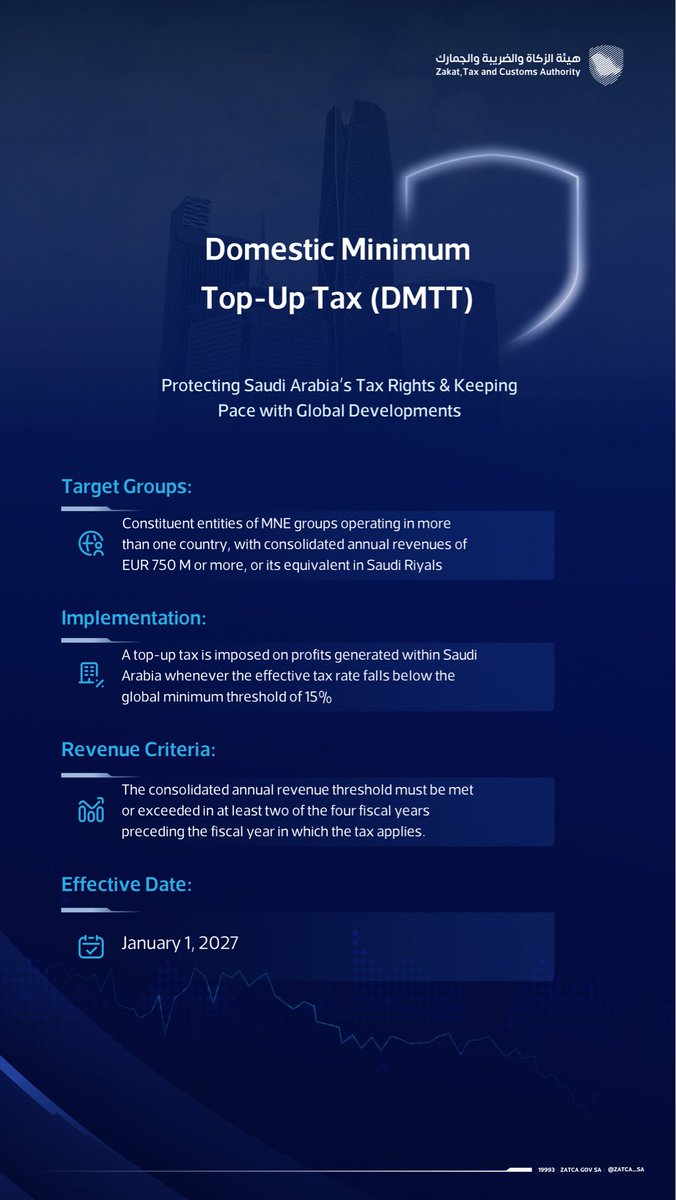
The Saudi tax authority set January 1 as the start date. Its draft rules bring the effective tax rate on qualifying Saudi profits up to a 15% minimum. They cover multinational groups with at least €750 million in consolidated annual revenue in two of the preceding four fiscal years. Jarir falls within scope because it has subsidiaries in other Gulf countries and Egypt and meets the revenue threshold. It earns most of its profit in Saudi Arabia. [4] [1]
#ZATCA to Apply Domestic Minimum Top-Up Tax on MNEs with Annual Revenues of EUR 750M or More Starting January 1, 2027. 🔗 | zatca.gov.sa/en/MediaCenter…

Banks rise while retailers fall
Saudi National Bank rose 1.85% to SAR 37.48 and Al Rajhi Bank gained 0.82% to SAR 61.60. United Electronics, which trades as eXtra, fell 4.27% to SAR 61.65. It shared in the retail selloff, though Jarir’s tax calculation applies to Jarir alone. [5]
Ahead of the rebound, market technician Ahmed Amin highlighted how few Saudi shares were holding above their long-term average. Economist Nasser Saidi put the broader Gulf finances in context on Monday, weighing regional financial buffers against the cost of reconstruction.
Perspectives on Saudi shares and Gulf finances


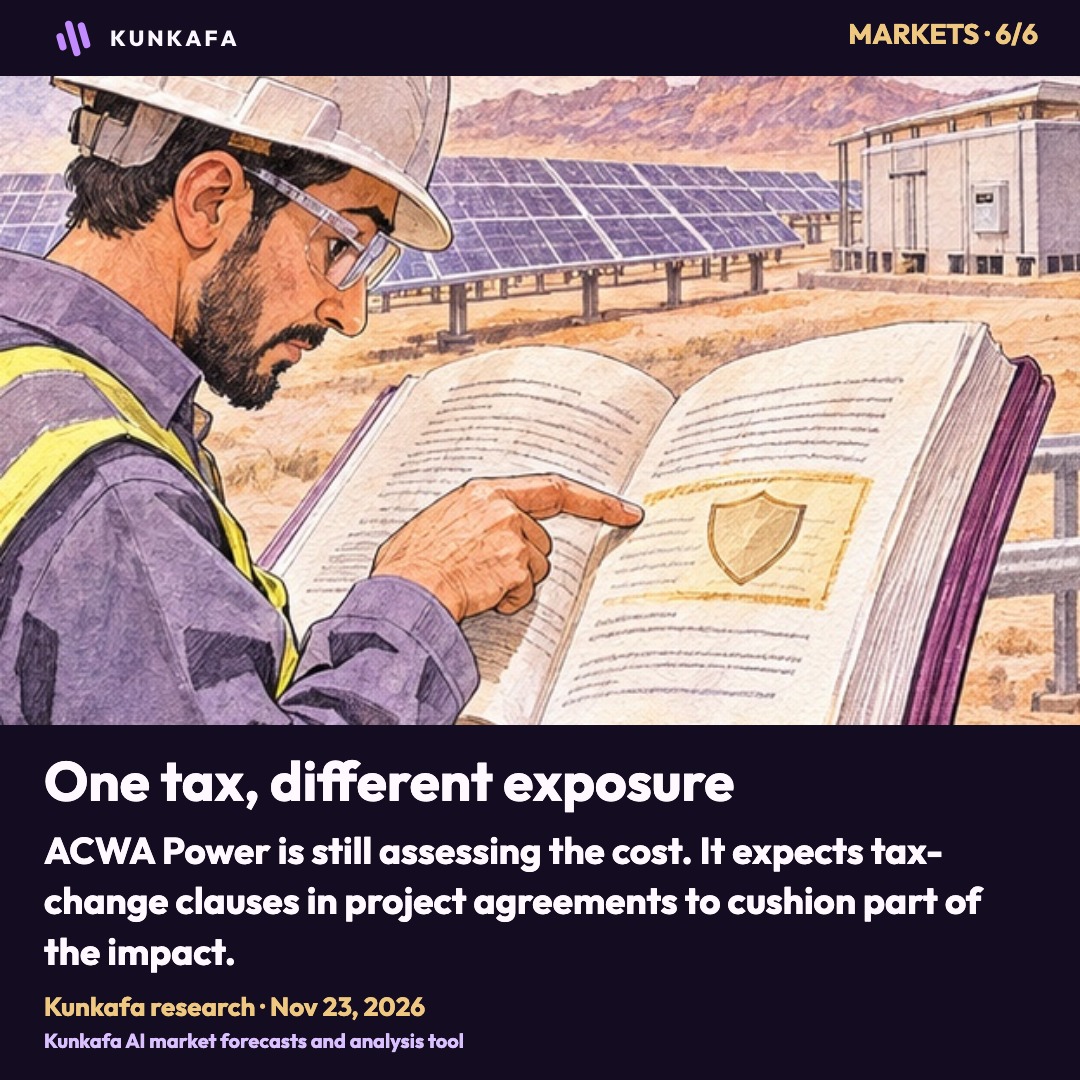
ACWA Power, up 1.01% at SAR 160.70, gave investors a different answer on the same tax. It said it falls within scope and is still calculating the impact. Most of its project investment agreements include clauses covering changes in corporate tax law, which it expects to cushion a material part of the cost. [5] [6]
In a separate filing, Al Moammar Information Systems reported a three-year, SAR 65.7 million purchase order, including VAT, from the tax authority for Microsoft systems services. MIS gained 1.11% to SAR 254.80. [7] [5]
Sources: [1] Jarir filing, Nov. 23 · [2] Jarir share price · [3] Tadawul All Share Index · [4] ZATCA, Nov. 19 · [5] Saudi share prices, Nov. 23 · [6] ACWA Power filing, Nov. 23 · [7] MIS filing, Nov. 23
Kunkafa forecasts
Brent oil
How far it could move, which way, by when, and how confident Kunkafa is.
Check the latest forecasts
More in Markets

SPY Drew $10.6B in Three Days. Then $12.9B Left in Two.
Investors bought as the S&P 500 fund fell early in the week. By Friday, withdrawals had erased those inflows and SPY had lost 8.56% for the week.

US Bond Yields Split as Traders Bet on a December Fed Hike
The two-year Treasury yield rose six times as much as the ten-year. With a quarter-point rise heavily priced, Wall Street’s bigger risk may be what the Fed says about the one after it.

Abu Dhabi’s New Robot Fund Backs 8 Makers and 33 Suppliers
Subscriptions are open at AED2.04 per unit before charges. The largest share of the benchmark goes to the companies making the gears and motors inside a robot.