Tech · Explainer
Egyptian Students Build a Reusable Mercury Test for Fish
Three graduate students designed a portable detector for fish markets and processing plants. Their university says each sensing strip can be reused more than 20 times.

Kunkafa News · Published · 3 min read
 By Kareem FaridDiscuss with the author on X
Here is a visual story in summary

Key points
- MercuGuard won first place in the sustainable environment category of Egypt’s Sensor X Challenge.
- The team received 100,000 Egyptian pounds and backing from a business incubator.
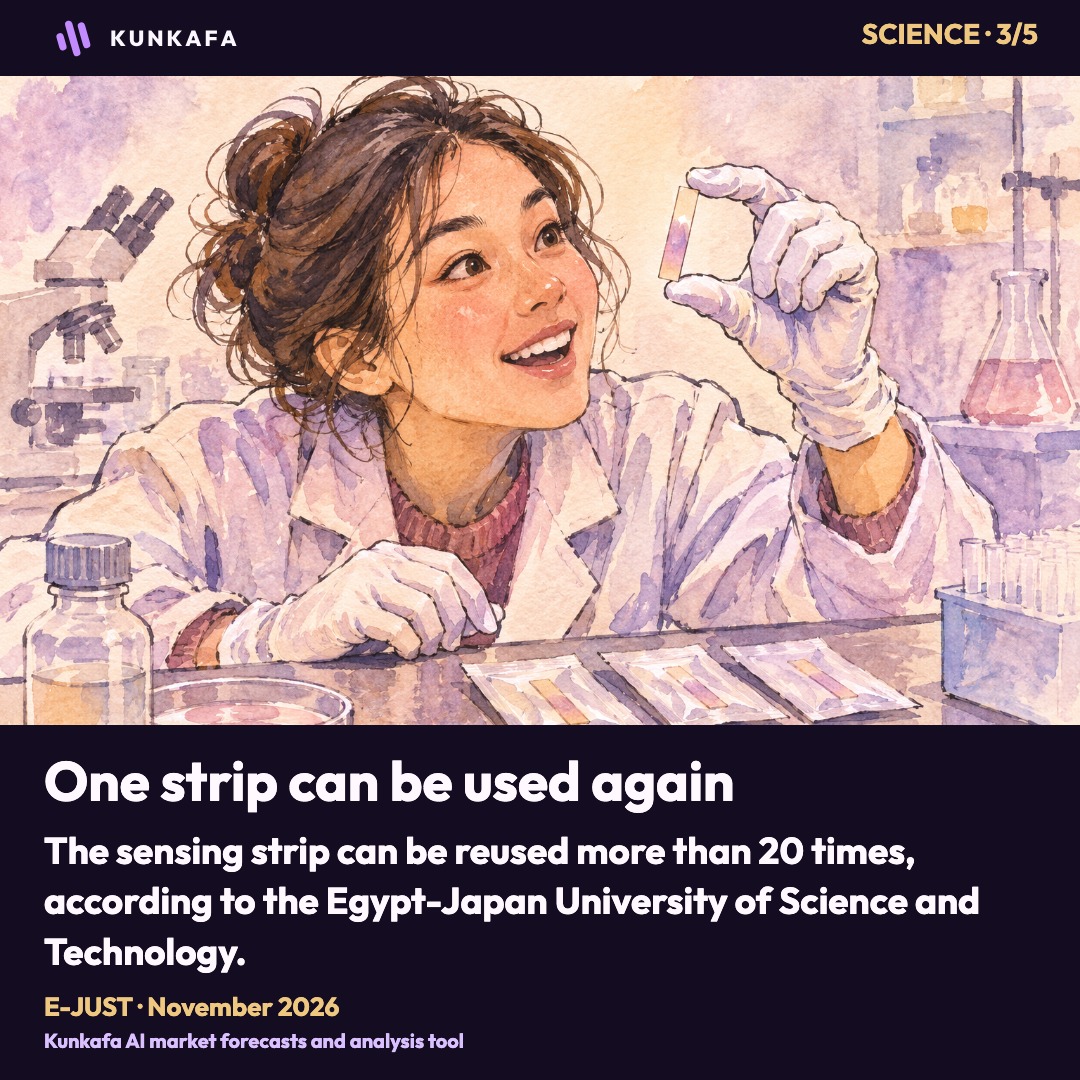
Three graduate students at the Egypt-Japan University of Science and Technology built a portable device to test fish and other seafood for mercury. At the heart of MercuGuard is a sensing strip that can be reused more than 20 times, according to the university. [1]
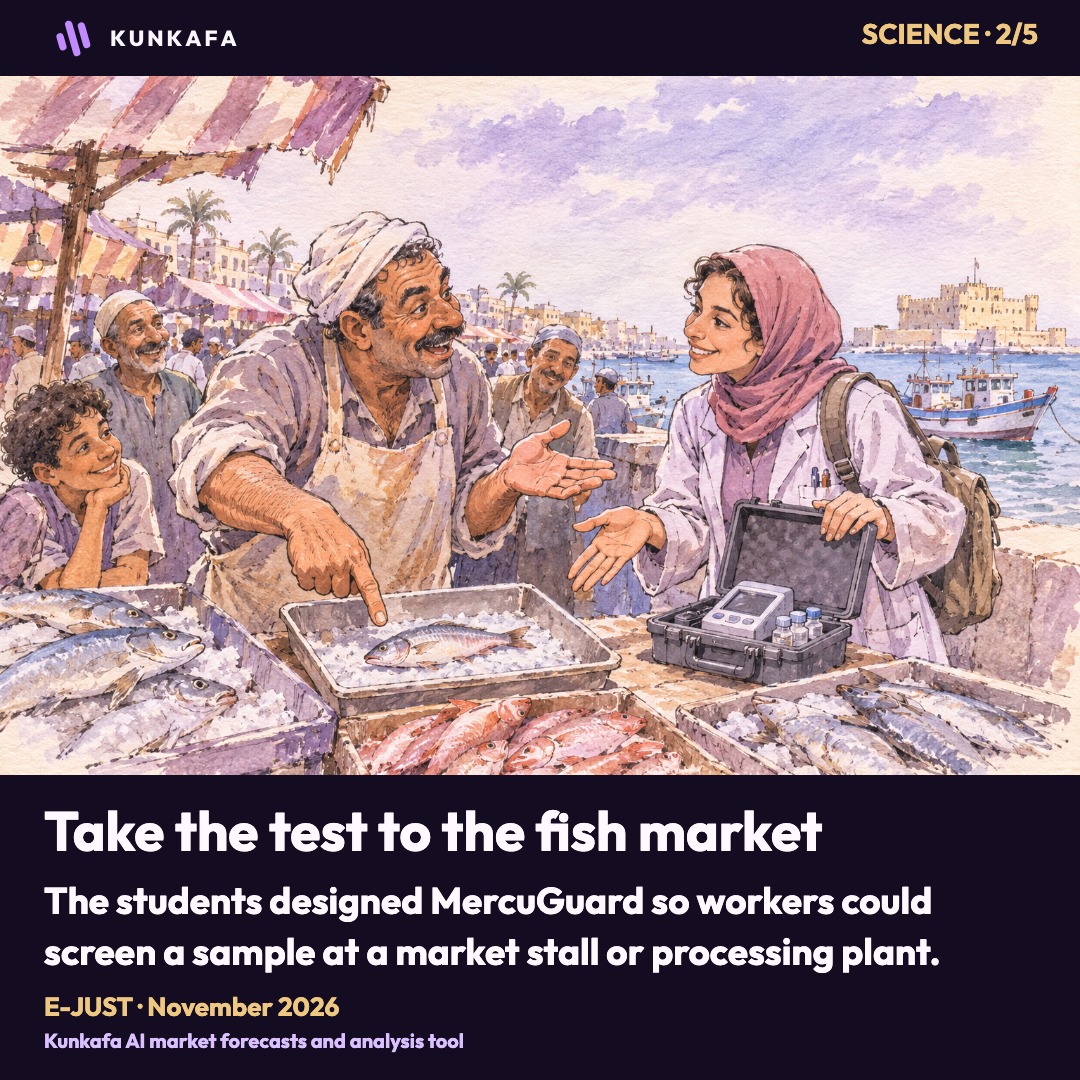
Islam Abdel Meguid led the team at the university’s Graphene Center in Alexandria, working with Abdelaziz Mohamed and Amani Mostafa. Their idea was to take the instrument to a fish market or processing plant so a sample could be screened on the spot. Ahmed Abdel Moneim and Ahmed Rashed supervised the project, the university said. [1]
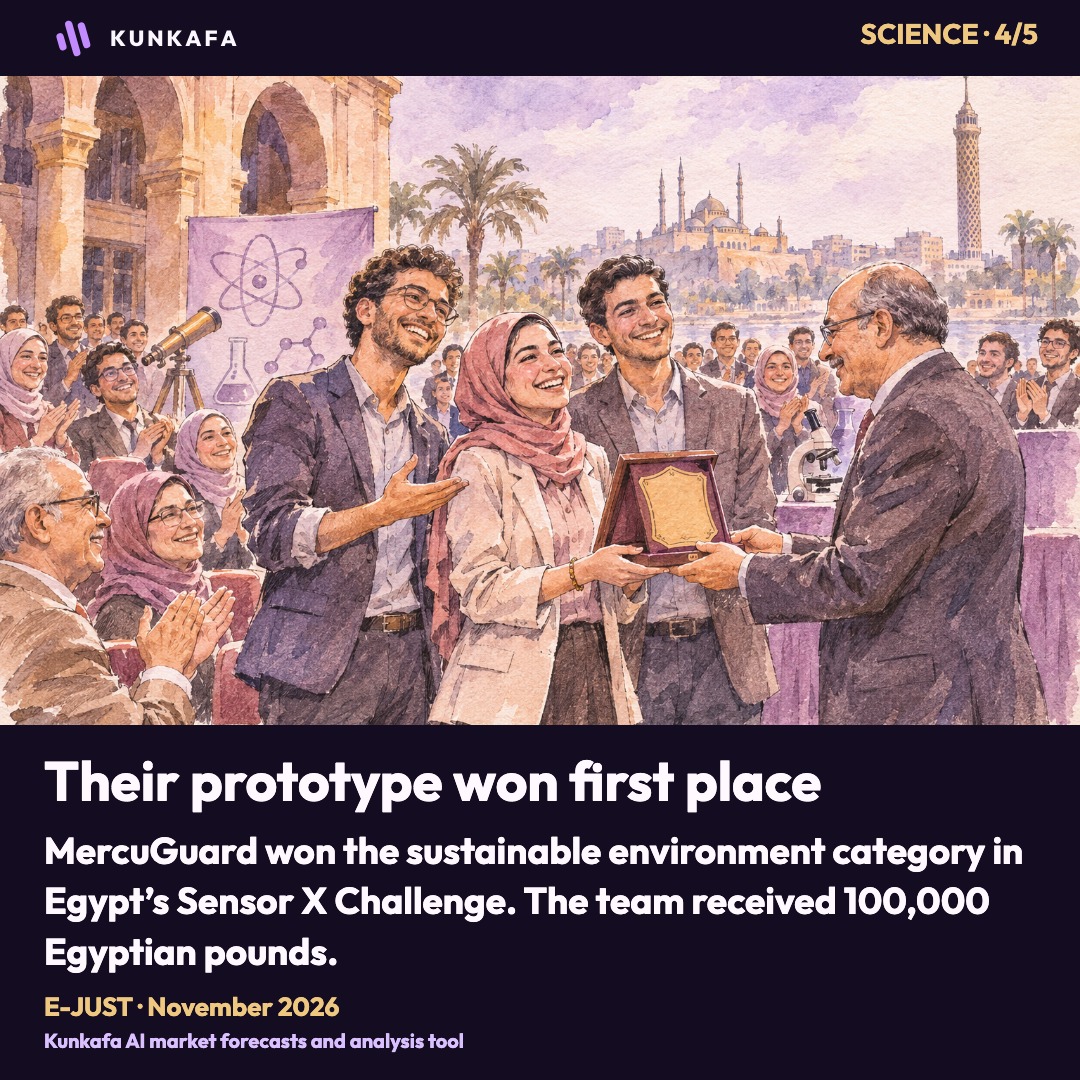
MercuGuard took first place in the sustainable environment category of Egypt’s Sensor X Challenge, according to results released on November 18. The competition drew 432 students. The winners were honoured in Helwan, Cairo. [2]
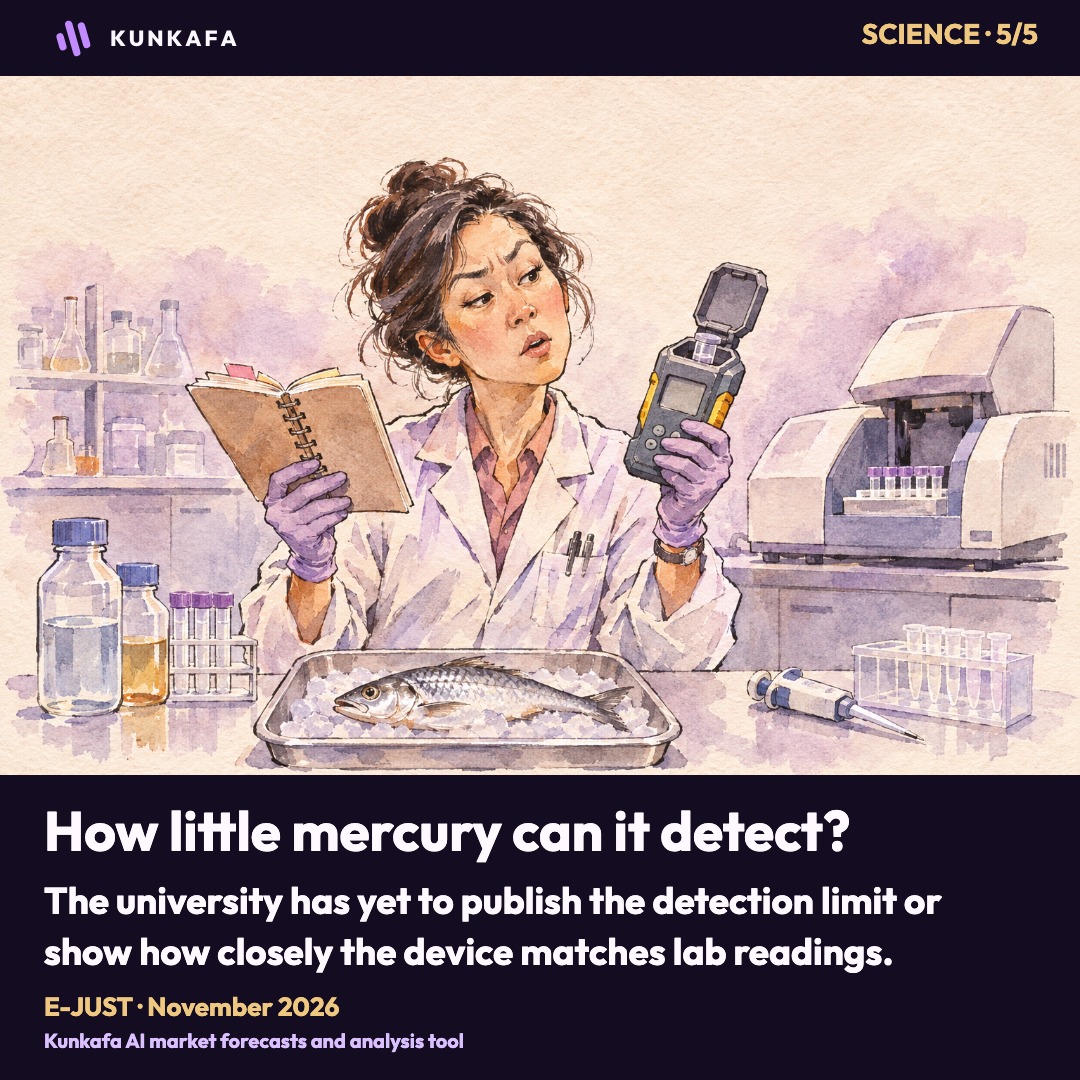
The university said the students received 100,000 Egyptian pounds and funding from a business incubator. Its announcement describes a prototype and gives no figures for the lowest concentration it can detect or how closely its readings match a laboratory’s. [1]
Alexandria researchers have long known how much the choice of sample matters. In 1987, food scientists at Alexandria University measured mercury in six marine fish species from three local fishing grounds. Levels varied with the species, the size of the fish, which organ was tested and where the fish was caught. [3]
Commenting on a separate tuna study in 2024, fisheries biologist Enrique Rodríguez Marín explained why large tuna are especially revealing. As predators near the top of the food chain, they accumulate mercury from their prey. Veterinary toxicologist Diego Romero called for researchers to measure mercury in organs such as the liver and kidneys as well as in muscle. [4]
Sources: [1] Egypt-Japan University of Science and Technology · [2] EgyptInnovate, November 18, 2026 · [3] Y. G. Moharram and colleagues, Nahrung, 1987 · [4] Science Media Centre Spain, February 21, 2024
Kunkafa forecasts
Euro - Dollar
How far it could move, which way, by when, and how confident Kunkafa is.
Check the latest forecastsMore in Tech

US Model Inkling Overtakes DeepSeek in OpenRouter’s Auto Mix
Inkling takes a 12.3% share against DeepSeek’s 10.6% in the mix for new work. Their benchmark results tell a more divided story.

FCC Clears SpaceX for Up to 1 Million Data-Center Satellites
SpaceX shares recovered some ground after the announcement but stayed below Tuesday’s close. The first satellite is due by November 2033.

Cognition’s New Devin Coding Model Has a 10× Speed Option
SWE-2.1 Lightning generates 600 tokens a second on Cerebras hardware, Cognition says. The upgrade also more than doubled its predecessor’s score on a terminal benchmark.