Tech · Explainer
Nasdaq 100 Sheds 10.4%. Dan Ives Says AI’s Revolution Is Unstoppable
After a week of heavy selling, Ives expects AI skeptics to have the floor for months. He still sees a fourth industrial revolution underway, citing 160 GW of power demand through 2029.

Kunkafa News · Published · 5 min read
 By Kareem FaridDiscuss with the author on X
Here is a visual story in summary

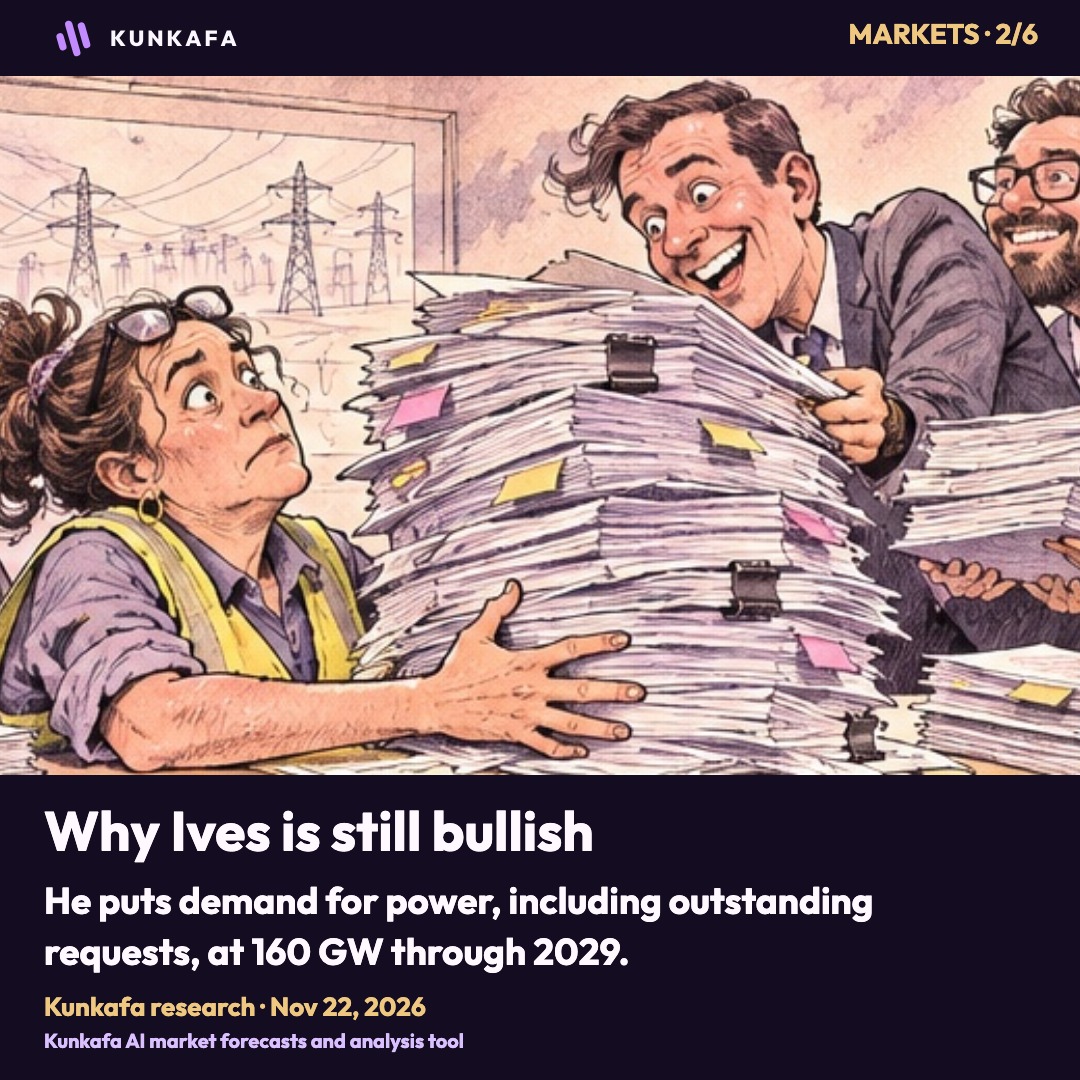
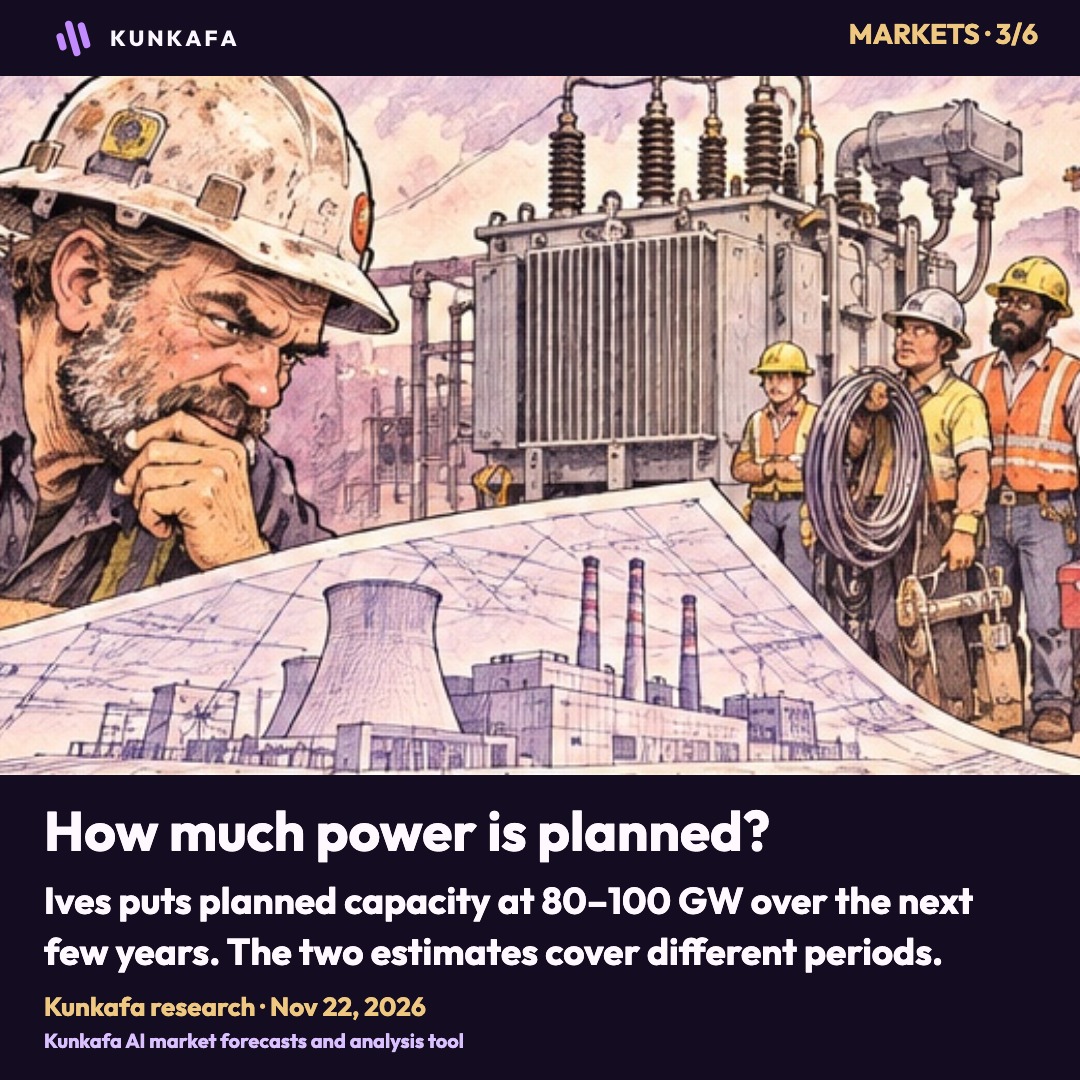
Dan Ives thinks the skeptics could own the conversation about AI stocks for months. His reason for staying bullish is measured in gigawatts. In a Sunday post, the technology analyst put demand and outstanding requests for power through 2029 at 160 GW, against roughly 80–100 GW of capacity he says is planned over the next few years. In his view, a selloff can change what investors pay for AI stocks long before it changes what customers want to build. [1]
The bears will feel validated after being doubters of the AI Revolution since early 2023 and will be louder and louder over the coming weeks and months. Yelling fire in a crowded theater moment is here and the bears will take center stage with this narrative and ultimately with… Show more
Why Wall Street listens to Ives
Ives is a partner and senior managing director at Yorkville Ives. He has covered technology stocks for more than 25 years and led global technology research at Wedbush until July. His research has a direct route into investor portfolios: the index tracked by the Dan IVES Wedbush AI Revolution ETF draws its constituents exclusively from companies in his AI 30 research report, according to the fund prospectus. [2] [3]
Ives expects a rough stretch for shareholders. He cited Jensen Huang’s departure from Nvidia and the risk of a political backlash against Big Tech in Washington. His Sunday post expanded on a Friday argument: losses had left funds with less buying power, Anthropic’s IPO had drawn some cash away from other tech names, and persistent inflation had revived fears of higher rates. Those are Ives’s explanations for the selling. [1] [4]
This sell-off has been driven by a perfect storm created by: 1) The Blue Tidal Wave win and fears about an anti-AI/anti-datacenter DC, 2) losing the global leader of the AI Revolution Jensen in his black eye moment, 3) China driven regulatory concerns across the rest of… Show more
How much of the queue becomes a business?
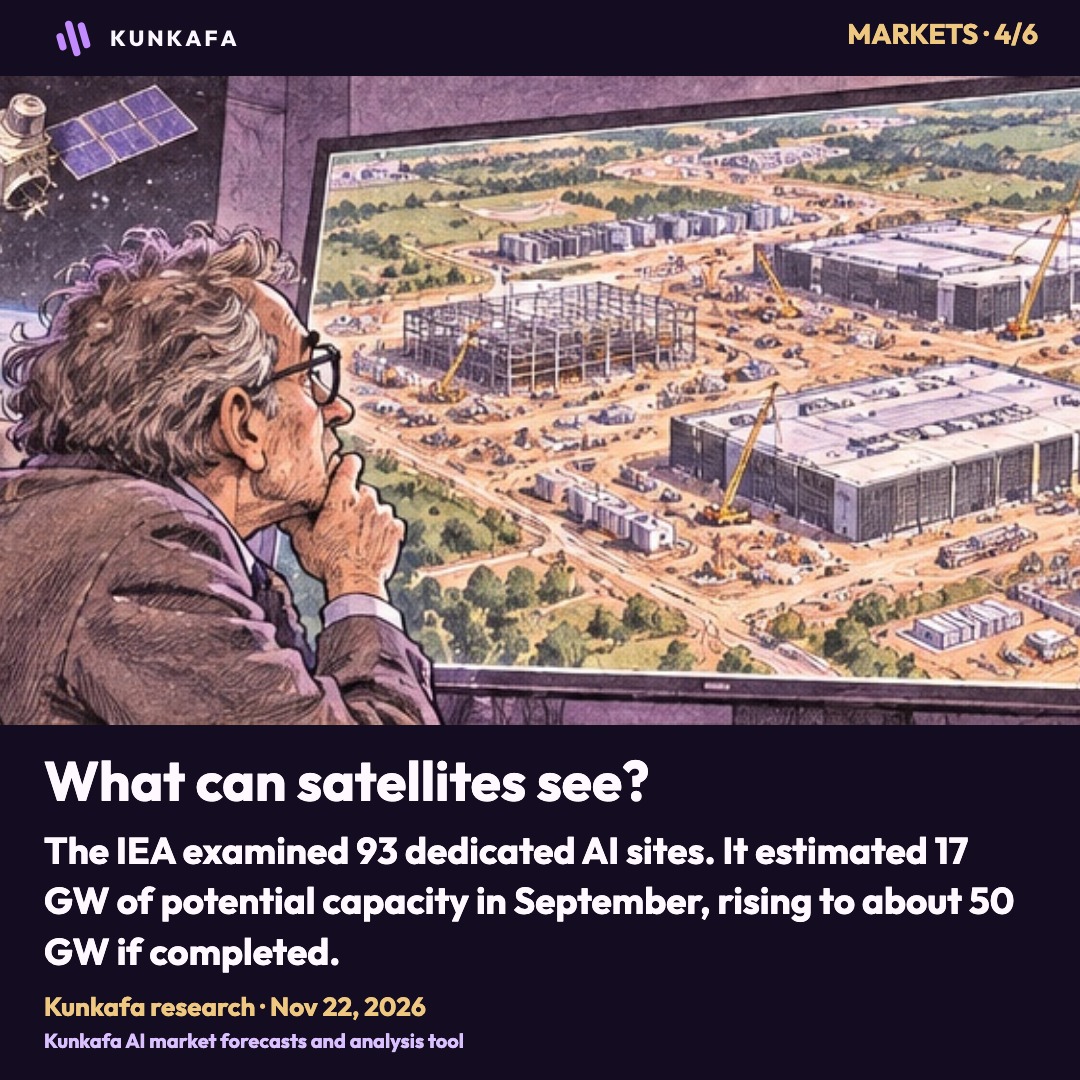
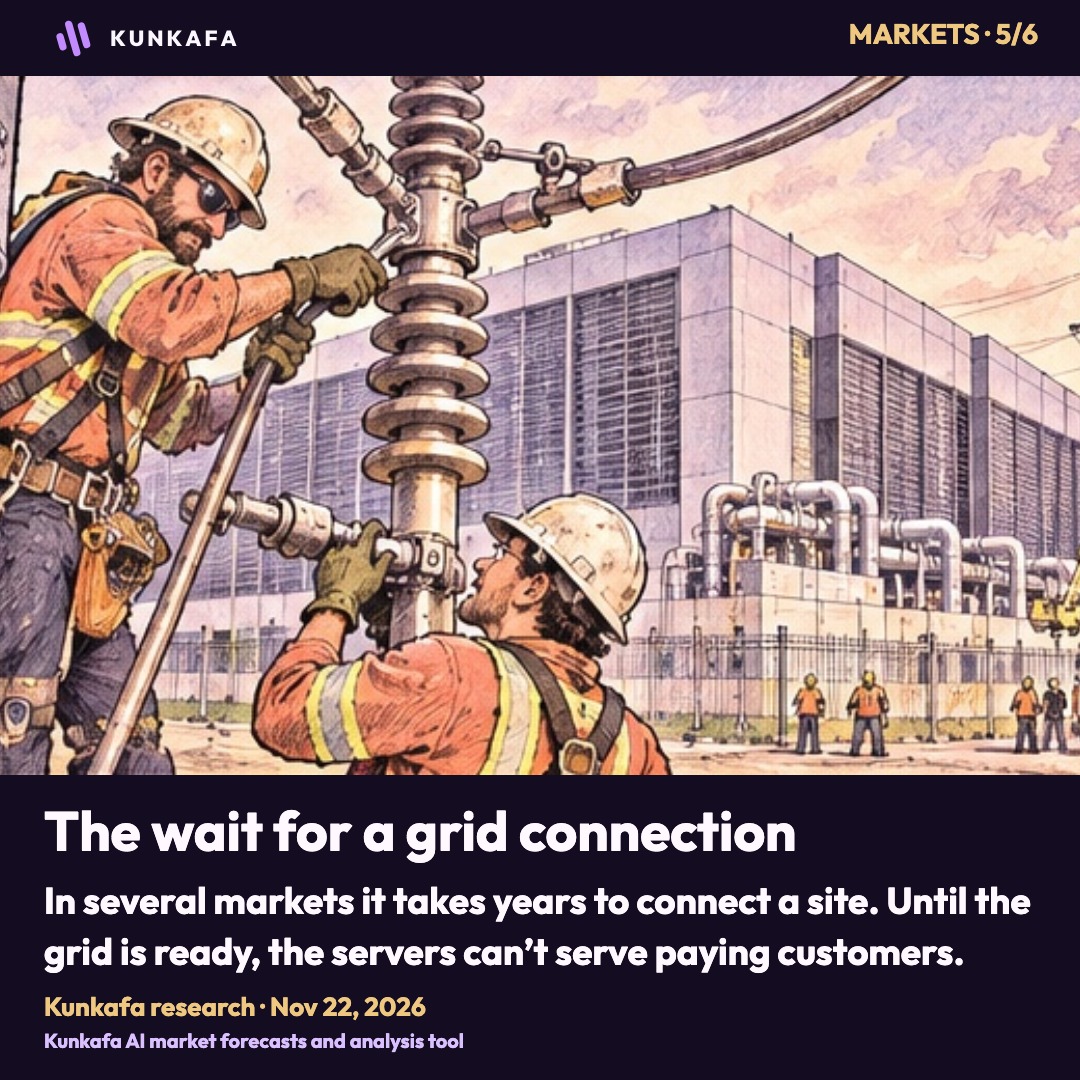
Ives gave no geography or calculation for his power estimates. The two time windows also differ, so subtracting one figure from the other would imply more precision than his post supports. The International Energy Agency offers a useful check on what is actually being built. From satellite imagery of 93 dedicated AI sites, it inferred about 17 GW of potential capacity as of September and roughly 50 GW if the sites are completed. In several markets, a grid connection takes years. [1] [5]
Replying directly to Ives, Raman Bindlish pointed to signed cloud orders. Howard Aulsbrook questioned whether enough skilled workers could build the power grid. In a separate post earlier that day, Gary Marcus pointed to Oracle’s deal with OpenAI as a sign of excess.
Perspectives on what could slow the AI buildout


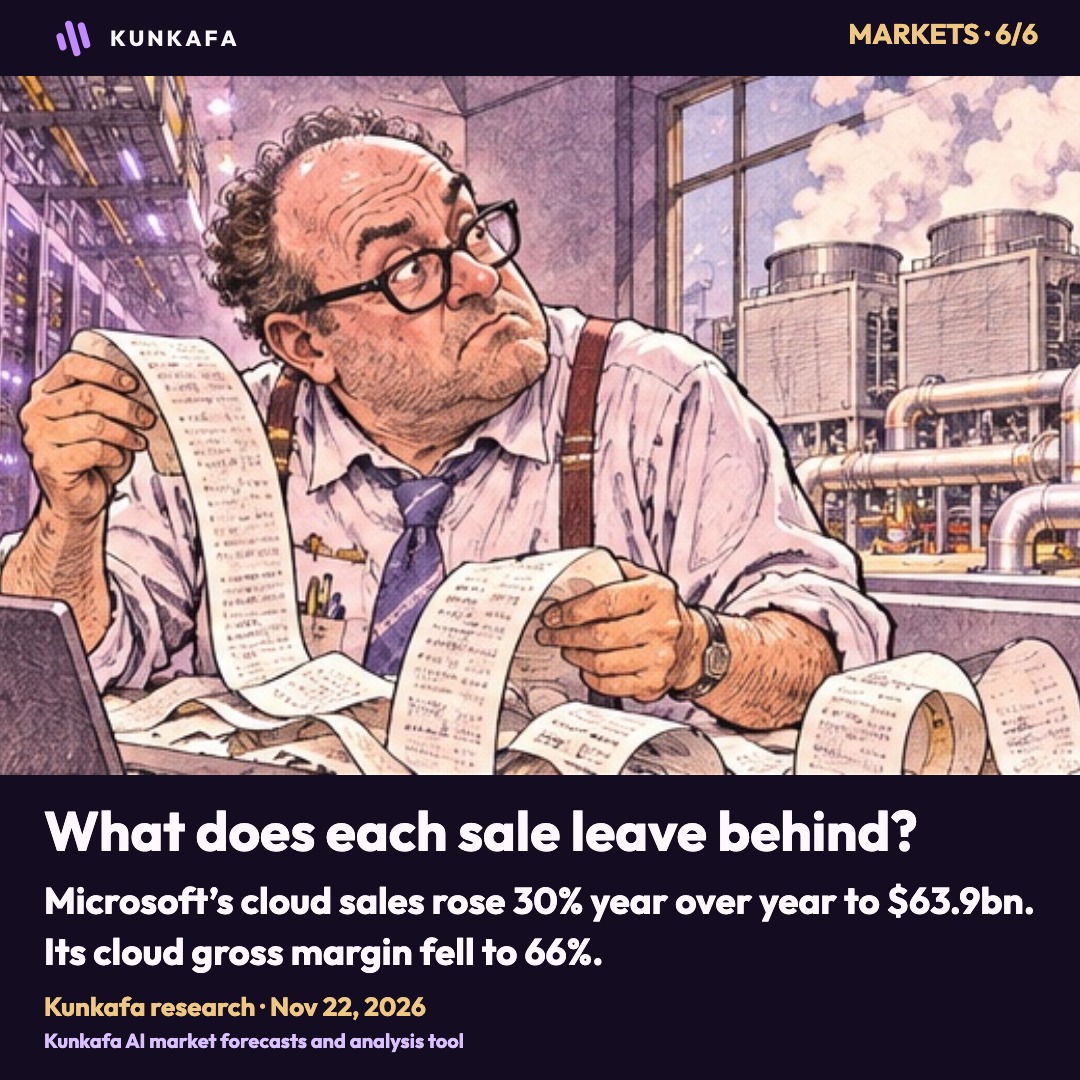
Microsoft illustrates why two investors can look at the same buildout and disagree. On its October earnings call, it reported $63.9 billion in quarterly cloud revenue, up 30% on a year earlier. Yet its cloud gross margin fell year over year to 66% as Azure accounted for more sales. Ives’s case gains strength when orders turn into paying customers. A shareholder still has a second question: how much profit does each new dollar of sales leave after the servers are running? [6]
Sources · [1] Dan Ives, November 22 · [2] Yorkville Ives, leadership · [3] ETF prospectus · [4] Dan Ives, November 20 · [5] IEA, World Energy Outlook 2026, pp. 82–83 · [6] Microsoft, October 28 earnings call
Kunkafa forecasts
Nasdaq 100
How far it could move, which way, by when, and how confident Kunkafa is.
Check the latest forecasts
More in Tech

Nvidia Surges 31% Premarket as Board Reinstates Jensen Huang
Shares traded at $165.01 at 14:04 UTC, 12 days after Huang resigned. The board voted unanimously to bring him back as president, CEO and director.

Tipped to Lead Nvidia, Haas Commits to Arm Through 2033
Rene Haas had been linked to Jensen Huang’s old job. Arm says its CEO is staying and becomes SoftBank Group vice chairman on December 1.

Gigabit Broadband Reaches 58,000 More Rural UK Addresses
Rural areas took nine in ten publicly funded broadband upgrades in the quarter. Across the UK, 14,400 addresses jumped from below 30 Mbps to gigabit coverage.