Startups · Explainer
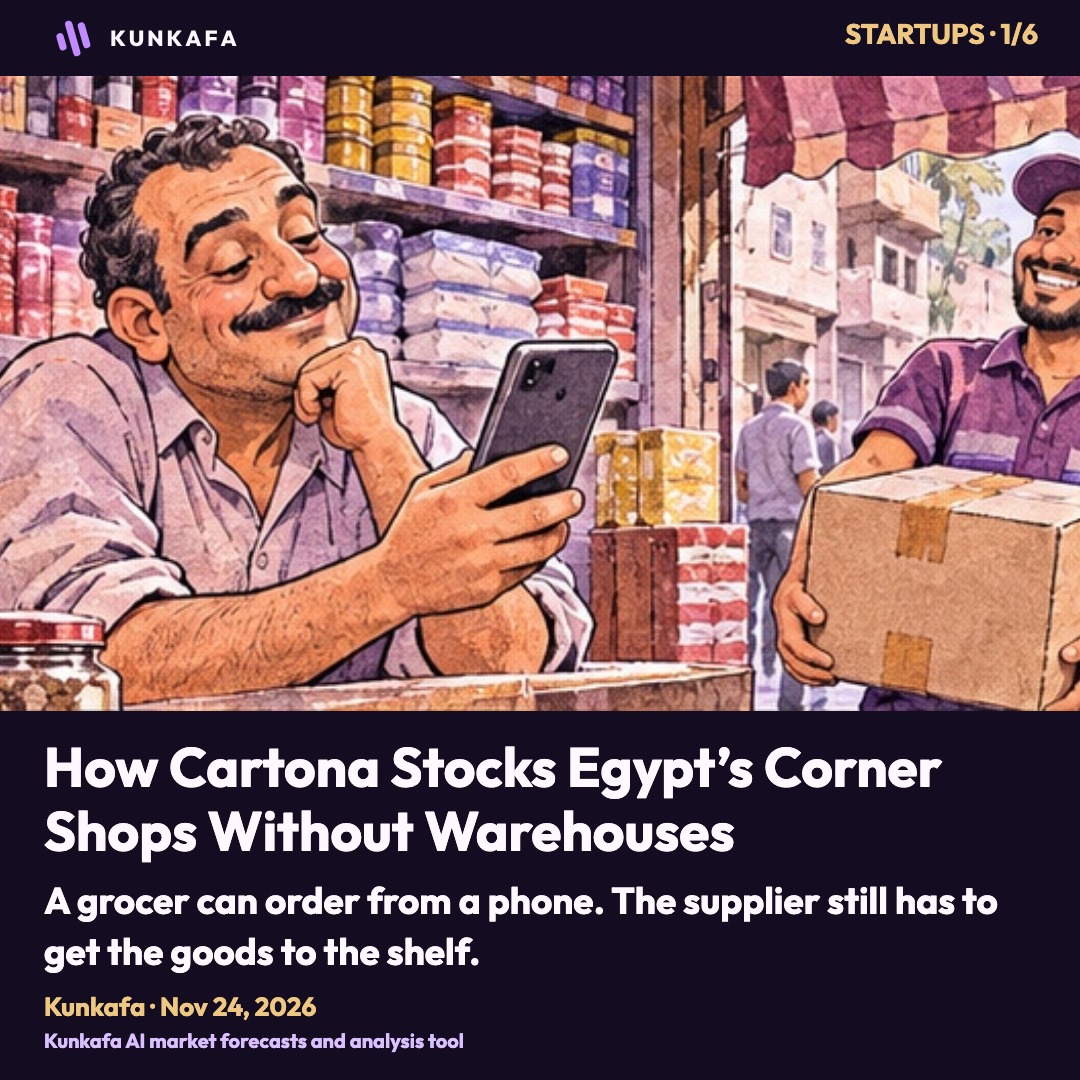
How Cartona Stocks Egypt’s Corner Shops Without Warehouses
Its marketplace gives grocers competing wholesale offers and ways to pay. The supplier’s delivery promise and the credit agreement still determine what reaches the shop and who gets paid.

Kunkafa News · Published · 4 min read
 By Kareem FaridDiscuss with the author on X
Here is a visual story in summary
Key points
- Suppliers post prices and delivery details. The shopkeeper can compare offers for the same item before ordering.
- AMAN documents a way to collect instalments. The parties’ public releases do not identify the guarantor of every order.
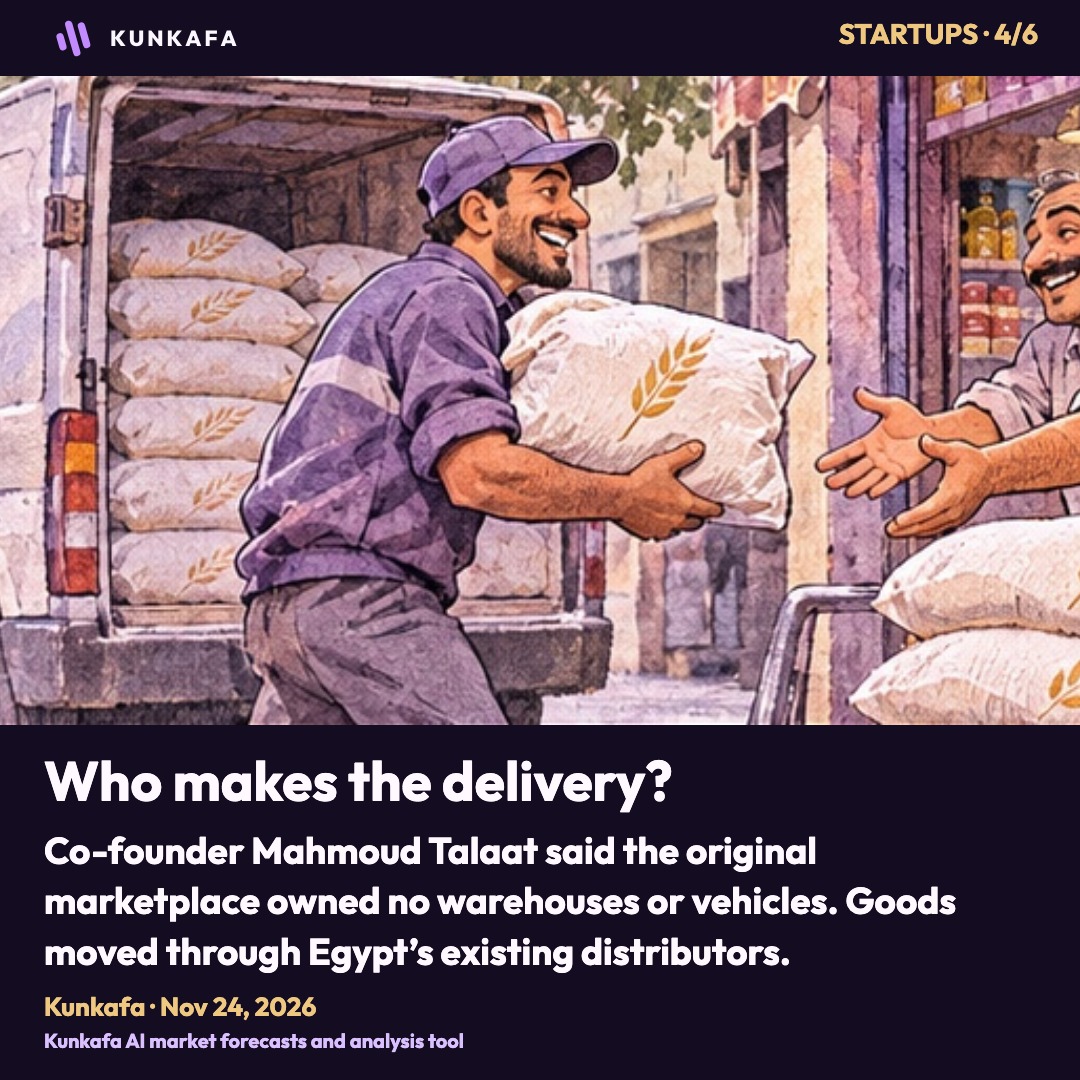
An Egyptian grocer looking to refill a shelf can find several prices for the same case of goods. Cartona turned that everyday purchasing problem into a business. Suppliers list their stock, prices and delivery details in one place. Shopkeepers browse competing offers and place an order from their phones. Co-founder Mahmoud Talaat described the original marketplace in 2022 as operating without warehouses or company vehicles. The shelf still gets restocked through Egypt’s existing distribution network. [1] [2]
What changes between shelf and supplier
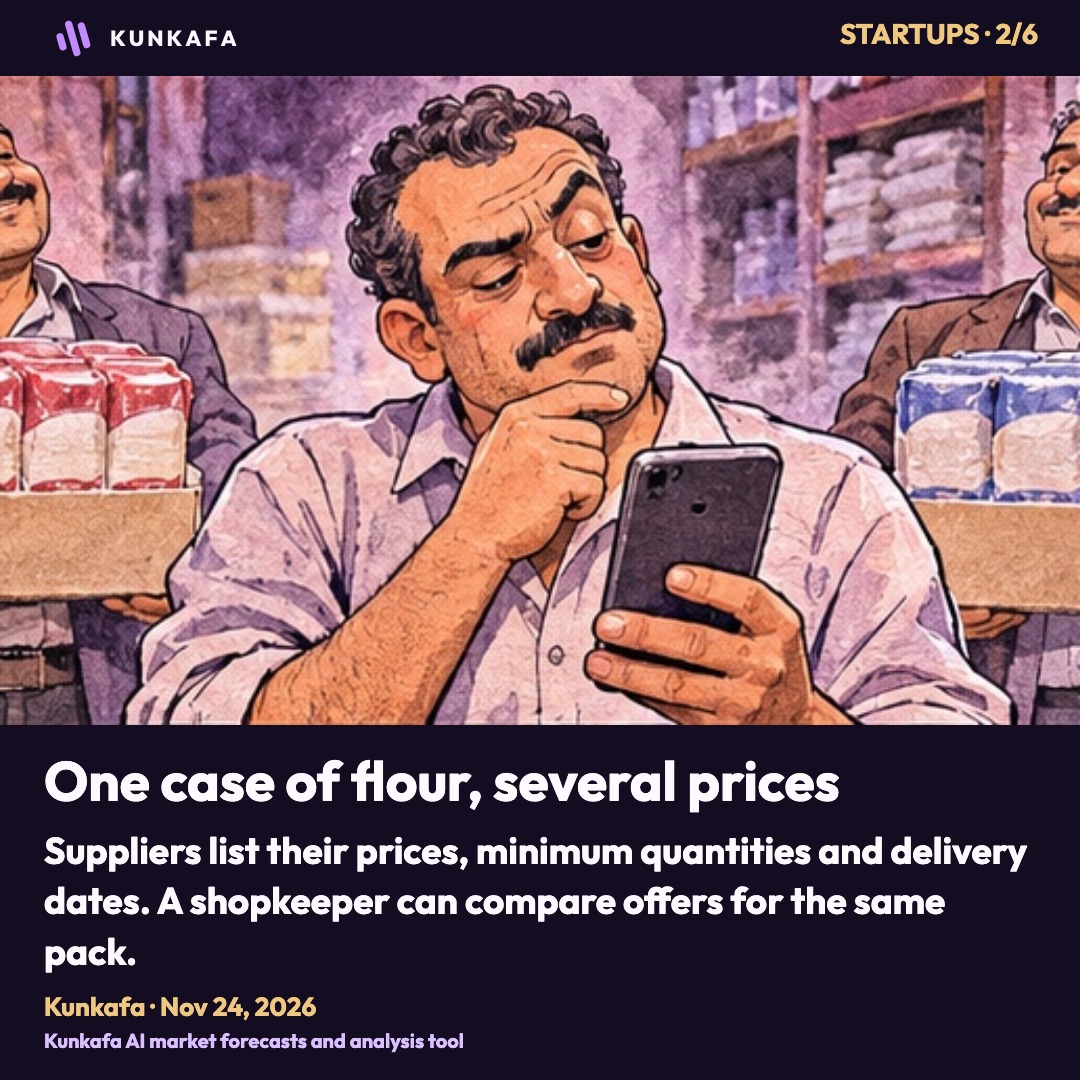
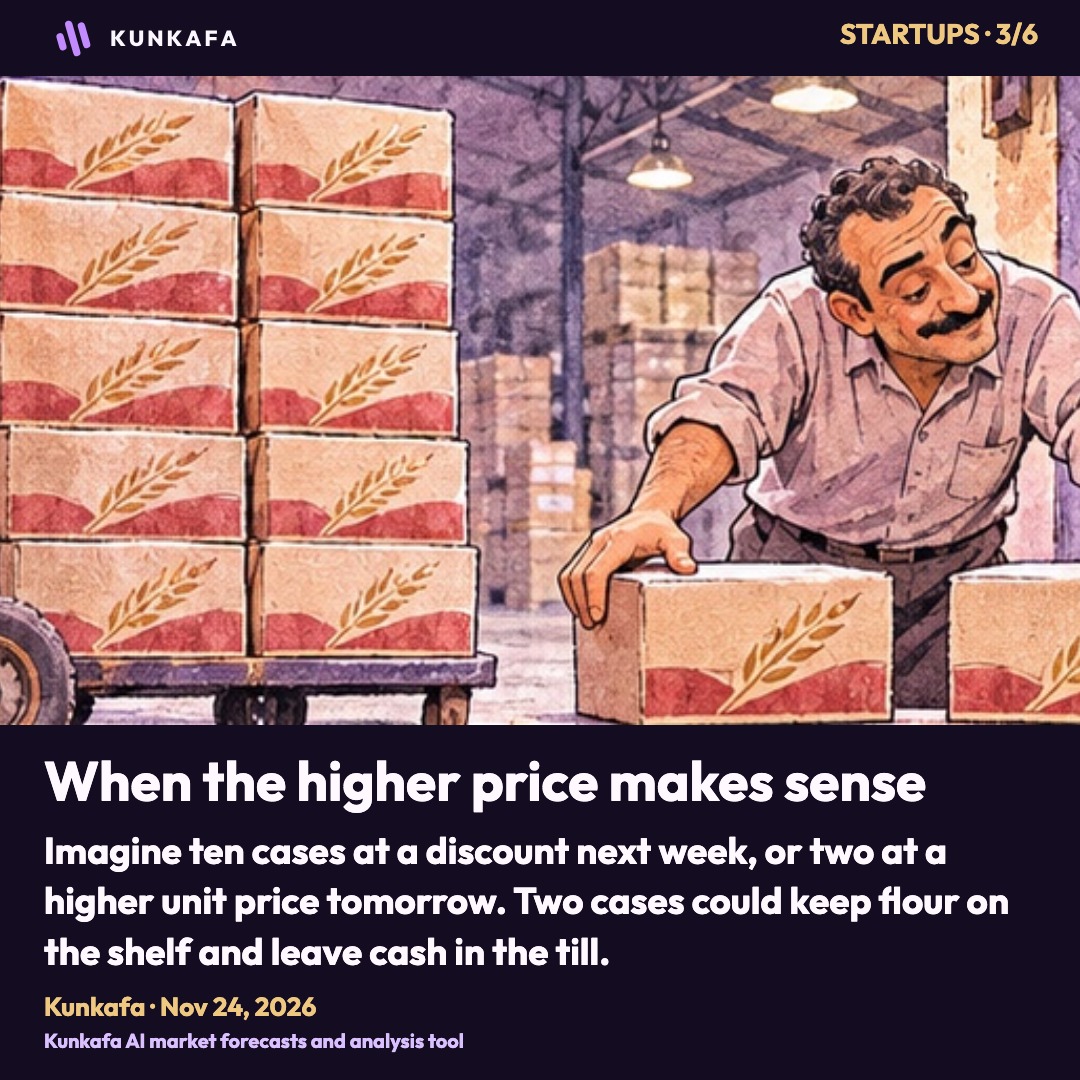
In the founder’s account, the supplier lists the terms and the retailer chooses the order. Consider a hypothetical shop comparing two flour offers. A lower price per case may require ten cases and delivery next week. A higher unit price with two cases available tomorrow may tie up less cash and avoid an empty shelf. Putting price, quantity and delivery terms side by side is Cartona’s practical advantage. Listing an offer does not itself verify that a particular shipment arrived on time. [1] [2]
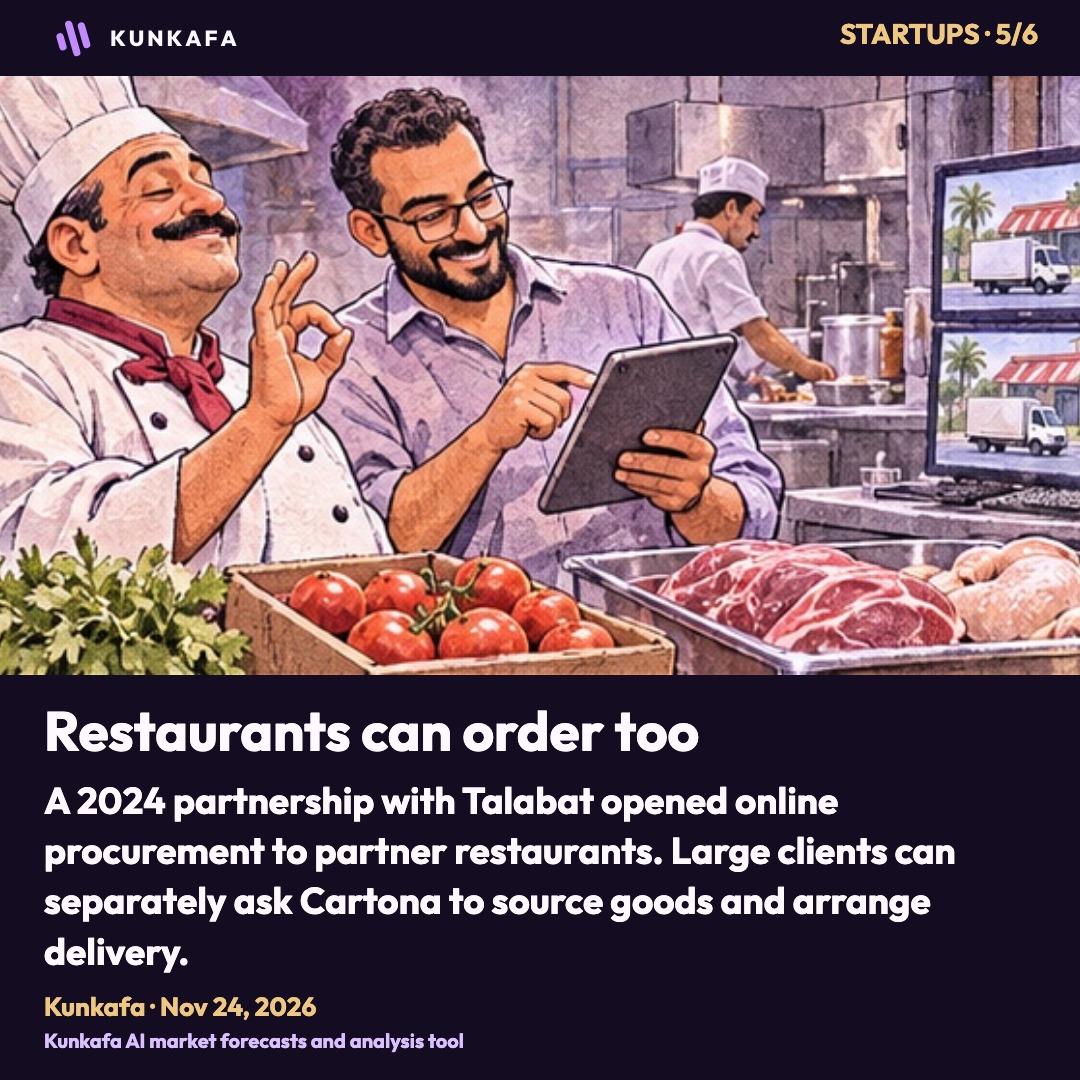
The company’s January 2024 agreement with Talabat took the ordering interface into restaurant procurement. Cartona said restaurant partners could purchase supplies online with discounts and different payment options. Its separate Enterprise service makes a broader promise to large clients, offering to source prices and arrange delivery to their branches or warehouses. That distinction matters to a small grocer: the traditional marketplace describes supplier offers, while an enterprise customer can ask Cartona for a managed sourcing service. [3] [4]
The Capsule
- Compare the same pack size, minimum order and promised delivery date.
- Identify the supplier on the offer and the party handling a short delivery.
- Compare the cash invoice with the sum and dates of all instalments.
- Read the financing agreement for the lender and liability if payment is late.
Where financing enters the order
Waiting for the next delivery and waiting for customers to pay are different working-capital problems. In July 2024 Cartona announced an $8.1 million financing extension. It said the round included the equivalent of $2.5 million of local-currency debt from Camel Ventures and GlobalCorp to support retailers’ working-capital needs. That is funding raised at company level. It gives no individual shop an automatic limit, a published interest rate or a promise that every supplier has been paid in advance. [5]
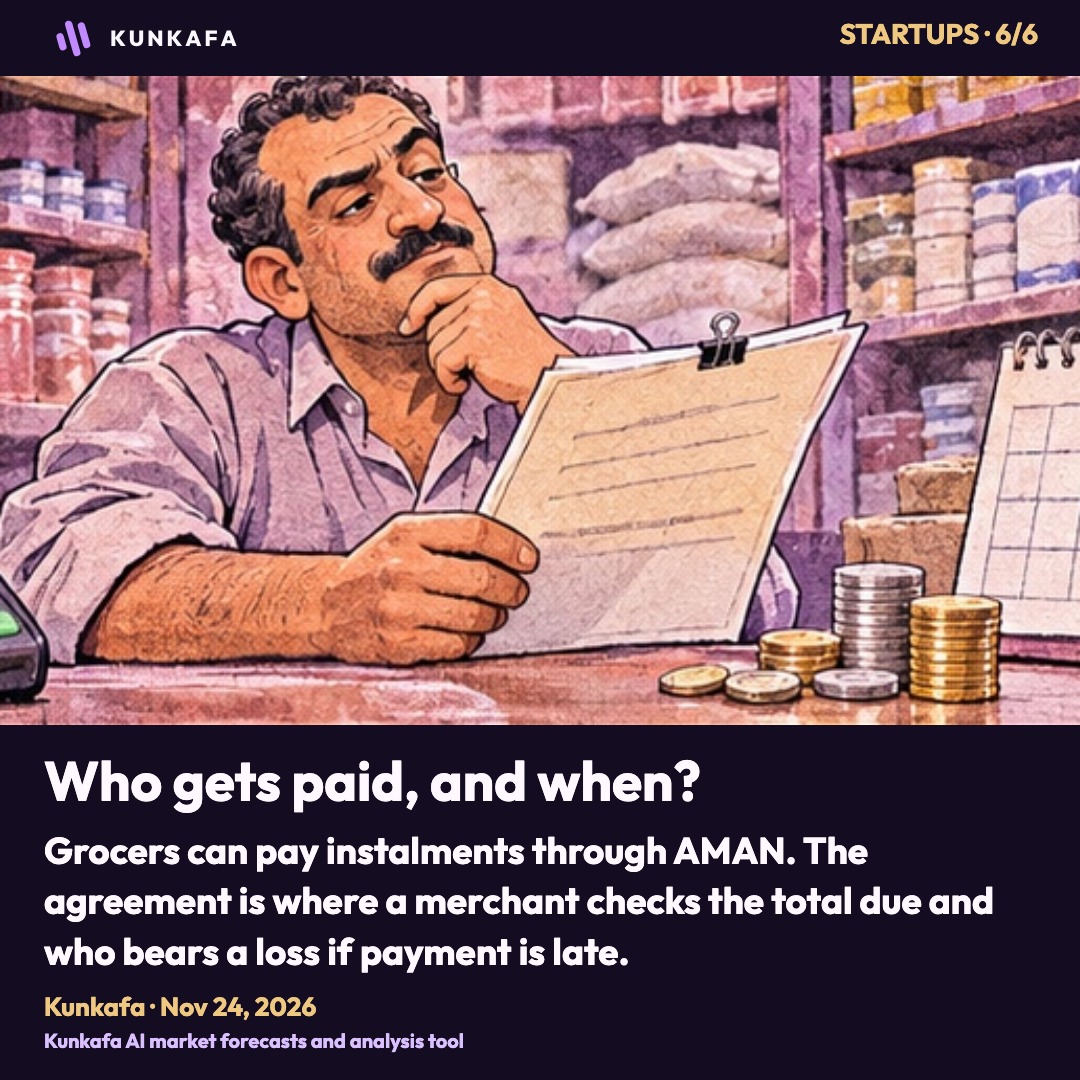
Payment partner AMAN confirms that Cartona users can pay instalments through its terminals or app. That identifies a collection channel. The public partnership materials do not disclose an individual invoice, its lender or the allocation of default risk on that transaction. For a merchant weighing the credit offer against cash, the meaningful comparison is the total payable, the dates collection falls due and the party named on the agreement. Cartona’s edge is putting ordering and financing within reach of the same buyer. Fulfilment and repayment still have to work on each side of the screen. [2] [5] [6]
Sources: [1] Mahmoud Talaat, interview with Enterprise · [2] Cartona, marketplace and supplier tools · [3] Cartona, Talabat partnership · [4] Cartona Enterprise, sourcing service · [5] Cartona, July 2024 company release · [6] AMAN, instalment payment partnership
Kunkafa forecasts
Nasdaq 100
How far it could move, which way, by when, and how confident Kunkafa is.
Check the latest forecasts